
Regional Design Vernacular Makes a Comeback in Outdoor Spaces
Somewhere along the way, the American backyard began to look like a showroom floor. The same gray pavers, modular sectional and string lights took the stage, regardless of whether you live in the deserts of Arizona, the Kansas plains or coastal Georgia. Regional design vernacular is pushing back against that, and homeowners who’ve embraced it are finding that outdoor spaces built around where they actually live tend to look better, hold up longer and feel like they belong.
Why Generic Outdoor Design Stopped Working
Walk through any big-box home improvement store, and you’ll find the same patio collection being sold to people across completely different climates and landscapes. You might find a pergola kit designed for mild California weather or composite decking in a tropical hardwood finish. There could be concrete pavers in a color palette that reads “suburban neutral” from coast to coast. None of it is wrong, exactly, but a lot of it is mismatched.
The problem isn’t just aesthetic. It’s functional. A pressure-treated pine pergola in a humid Southern climate will deteriorate faster than one built with regional materials suited to the moisture load. A poured concrete patio in the upper Midwest will take a beating from freeze-thaw cycles in ways that a desert installation simply won’t. The generic stuff is designed to sell everywhere, which means it’s really optimized for nowhere in particular.
Homeowners are starting to notice. There’s a growing frustration with outdoor spaces that look fine in a catalog but feel disconnected from the house, the yard and the surrounding landscape. That frustration is what’s driving the current interest in vernacular design, which is the idea that where you live should actually shape what you build.
What Regional Design Vernacular Means
Vernacular design, at its core, means working with the logic of a place rather than importing something from outside it. In architecture, the term usually refers to building styles that developed over time in response to local climate, available materials and cultural patterns. In outdoor living, it means much the same thing.
It’s not about recreating a historical look or making your backyard feel like a museum exhibit. It’s more practical than that. When you choose materials that are native or locally sourced, plants that are adapted to your rainfall and temperature range, and structures that respond to how the sun and wind move through your yard, you end up with a space that works better and requires less maintenance.
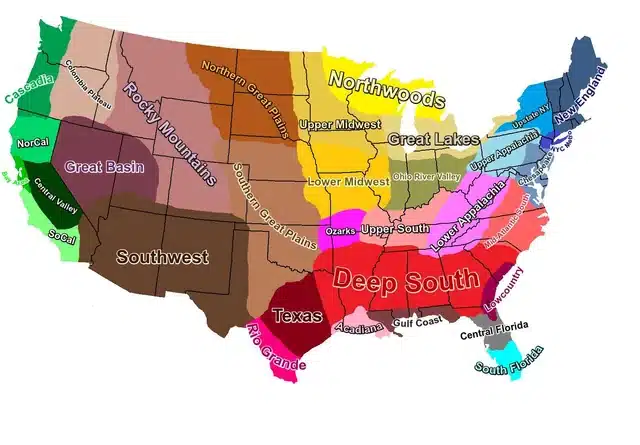
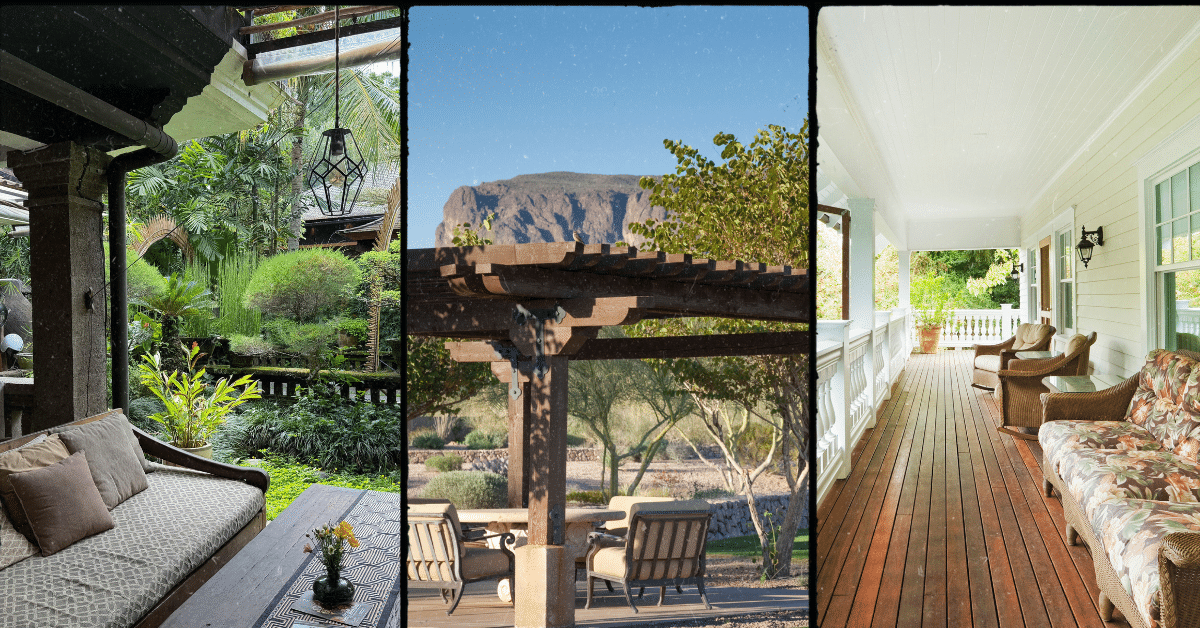
This is playing out differently in different parts of the country. In the Pacific Northwest, it means cedar, covered living spaces and native plantings that thrive in wet winters. In the desert Southwest, it means shade structures, decomposed granite and drought-tolerant landscaping. In the South, it means wide porches, cross-ventilation and materials that can handle high humidity year-round.
Where This Trend Is Taking Hold
The regional vernacular movement isn’t happening in one place. It’s showing up across the country, shaped by the distinct climates and landscapes that make regional design necessary in the first place.
The Pacific Northwest
In the Pacific Northwest, the design logic starts with rain. Covered outdoor structures aren’t a luxury here. They’re what make a patio usable from October through May. Cedar is the dominant material choice, and for good reason. It’s locally abundant, with three species growing in the area naturally rot-resistant and weathering in a way that looks intentional rather than neglected.
Native plantings like sword fern, salal and vine maple are replacing the imported ornamentals that struggle in the mild but wet conditions. The result is landscaping that fills in quickly, stays healthy without a lot of intervention and reads as part of the broader Pacific landscape rather than something airlifted from a garden center catalog.
The Desert Southwest
In Arizona, New Mexico and the inland parts of Southern California, outdoor design is increasingly organized around heat. Ramadas — open-shade structures with solid roofs — are a vernacular solution that goes back centuries in this region. They’re showing up in modern residential yards as homeowners recognize that a fabric sail shade doesn’t cut it when it’s 108 degrees.
Decomposed granite has largely replaced grass as the ground surface of choice. It drains well, doesn’t require irrigation and has a warm, earthy tone that suits the landscape. Some drought-tolerant plantings, like agave, desert willow and native grasses, add structure and color without the water demand. Outdoor spaces designed this way can extend usable hours in the yard by shifting the logic away from fighting the heat and toward working with it.
The Deep South
The South has its own vernacular outdoor logic, and it centers on shade and airflow. Wide covered porches are the most recognizable element. They moderate temperature, protect against afternoon thunderstorms, and create a transitional space between indoors and out that suits the pace of life in humid climates.
Brick and local stone appear repeatedly in Southern outdoor design. That’s due to the regional abundance of clay and because these materials resist humidity without warping or cracking the way wood composites can. A well-built brick patio in Georgia can outlast several generations of composite alternatives, with a weathered patina that only adds to its character.
Climate-Appropriate Materials and Why They Require Maintenance, Too
Choosing the right material for your climate is one part of the equation. Keeping it in good condition over time is the other, and this is where many homeowners trip up.
Concrete is a good example. It’s one of the most widely used patio materials across the country, and it performs very differently depending on where you live. In freeze-thaw climates like Minnesota or the upper Midwest, concrete is vulnerable to the hydraulic pressure that builds when water trapped in the slab freezes and expands.
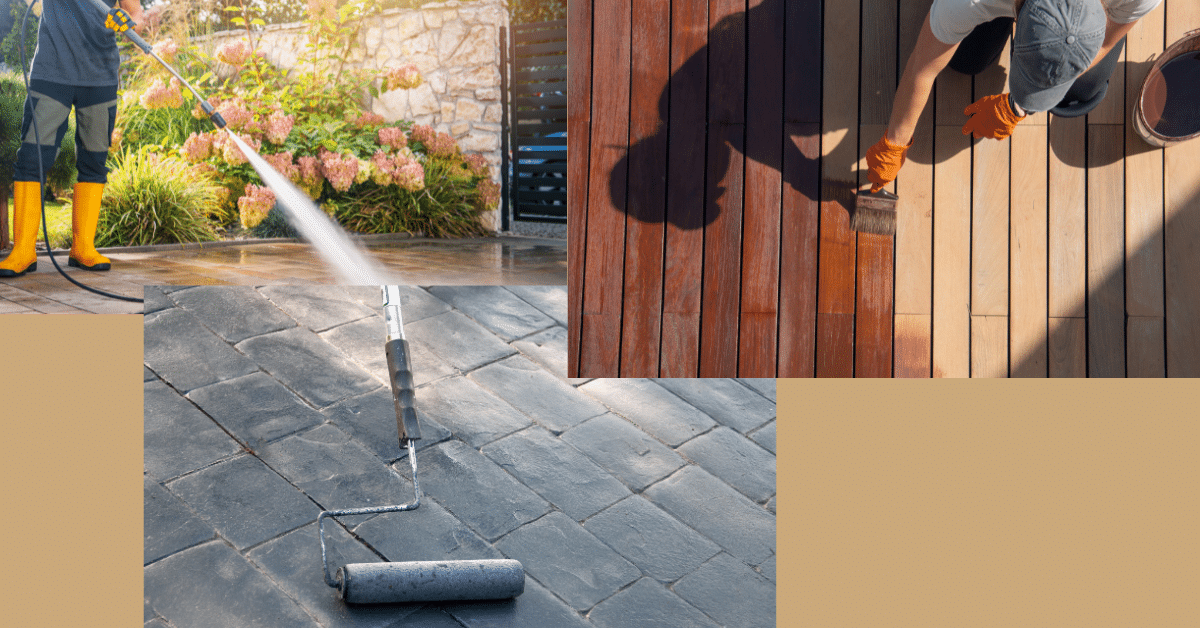
Without proper sealing and seasonal maintenance, small surface cracks deepen quickly and become costly repairs. For instance, in demanding climates, a professional resealing schedule of every three to five years is often recommended to protect the surface. Understanding how your climate puts stress on concrete and what maintenance the material actually requires matters as much as the initial installation decision.
Why Getting There Sometimes Means Undoing What You Already Have
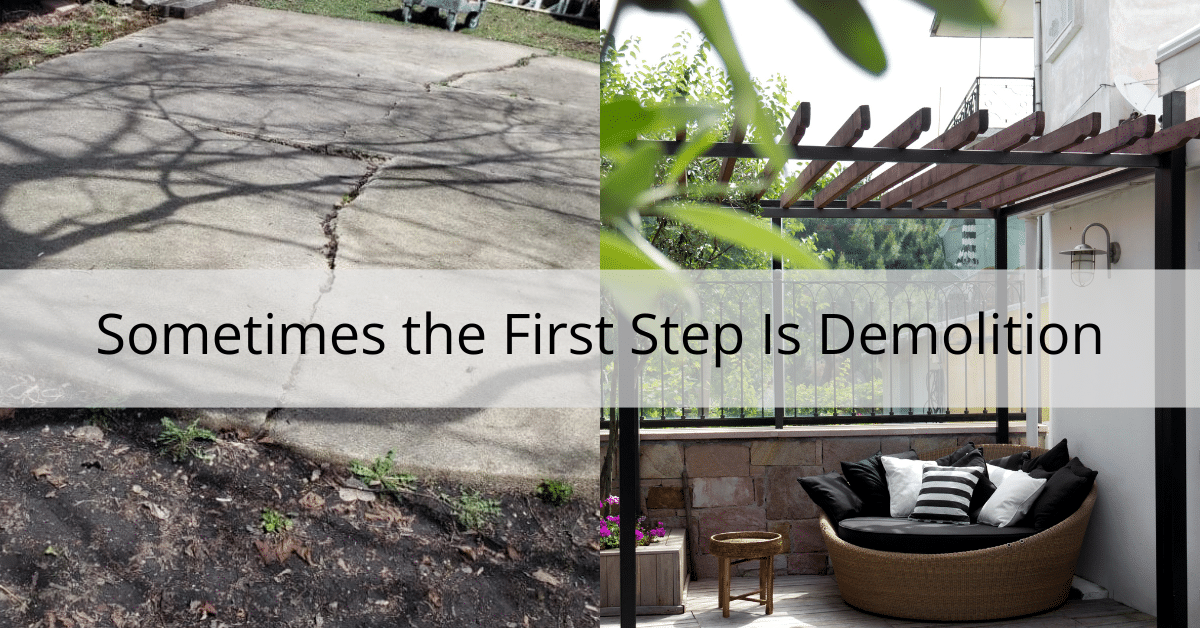
Here’s the part that most outdoor design articles skip over: If you’ve already got a generic patio, moving toward regional vernacular usually means removing something first.
That might mean pulling up stamped concrete that was installed with no consideration for freeze-thaw cycles and has been cracking since the second winter. It might mean tearing out a pressure-treated wood deck that was never suited to your humidity, or ripping up a lawn that was fighting your soil and rainfall patterns from the day it was seeded. None of this is cheap or quick.
The upside is that starting with the right foundation, one that accounts for your drainage, soil type and climate zone, tends to pay off over the years rather than just seasons. Thoughtful planning at the landscape level matters, too. If you’re rethinking the whole outdoor space, it’s worth reviewing low-maintenance landscaping approaches before committing to a layout, since the plants and ground covers you choose will interact with whatever hardscape you install. This can even involve consulting trusted sources like the Farmer’s Almanac, which provides long-term forecasts and gardening calendars tailored to your specific area.
The demolition phase is real, and it’s worth budgeting for it honestly. Contractors who specialize in regionally appropriate design will often tell you the most expensive mistake a homeowner can make is layering new products over old ones that were never right for the site.
Getting Started Without a Full Gut Renovation
Not everyone is ready to strip everything back to bare soil. The good news is that regional design vernacular doesn’t require a total overhaul to start making a difference.
Plant selection is often the easiest entry point. Swapping out thirsty ornamentals for native species adapted to your climate zone changes the feel of a yard quickly and reduces the maintenance burden at the same time. A single well-placed shade tree can shift the microclimate of a patio meaningfully over a few seasons.
Material choices follow. If you’re replacing furniture, look for pieces made with locally sourced or climate-appropriate materials. For example, teak and aluminum both perform reasonably well across a range of conditions. Still, regionally specific options like cedar in the Northwest or powder-coated steel in dry climates will often outlast generic alternatives and look more at home doing it.
Small hardscape edits, like a locally sourced stone border and a gravel path in a regionally appropriate aggregate, begin to anchor the space to its surroundings. You don’t have to do everything at once.
Home Is Where the Hardscape Is
Regional design vernacular isn’t a trend that asks you to make your backyard historically accurate or architecturally precious. It’s a practical argument for building with the place you actually live in, from its climate and materials to its light and its landscape. Outdoor spaces that take those conditions seriously tend to last longer, perform better across seasons and cost less to keep up over time. They just look more like they belong there, and that’s not a small thing.