
Smart Ways to Use Reclaimed Materials in Modern Design
Reclaimed materials have become a staple of contemporary home design. Homeowners and designers are finding creative ways to incorporate salvaged wood, brick, stone and metal into spaces that feel current while retaining a sense of craftsmanship and history.
The appeal extends beyond aesthetics. Reclaimed materials can help reduce construction waste, preserve valuable resources and introduce distinctive details that are difficult to replicate with newly manufactured products. Whether you’re planning a major renovation or looking for smaller upgrades, salvaged items offer countless opportunities to enhance a home’s appearance and functionality.
From statement walls to custom-built storage, the following ideas show how reclaimed materials can elevate modern interiors while supporting today’s most popular design styles.
1. Use Reclaimed Wood to Add Architectural Features
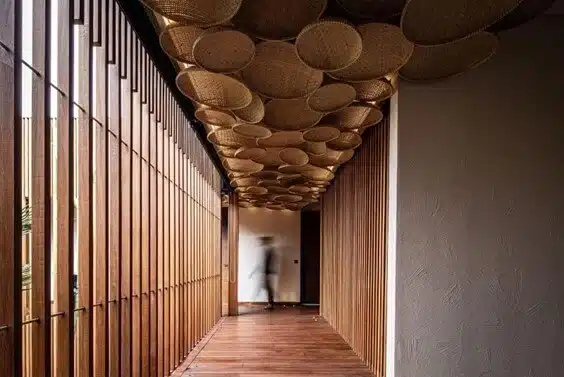
Architectural details often have the greatest impact on how a room feels. Reclaimed wood can introduce visual depth and craftsmanship without extensive structural changes.
Feature walls may be one of the most popular applications. Installing reclaimed boards behind a bed, dining area or fireplace creates a focal point that immediately draws attention. Exposed ceiling beams offer another way to add architectural interest while helping define open-concept spaces.
Wall paneling is also gaining popularity as homeowners continue to seek natural materials that add warmth and dimension to interiors. Designers are noticing an increase in requests to use wood-paneled surfaces in homes as part of a broader movement toward giving spaces a grounding and enduring feel.
To keep the look balanced, pair reclaimed wood with neutral color palettes, streamlined furniture and modern lighting fixtures.
2. Install Salvaged Flooring for Timeless Appeal
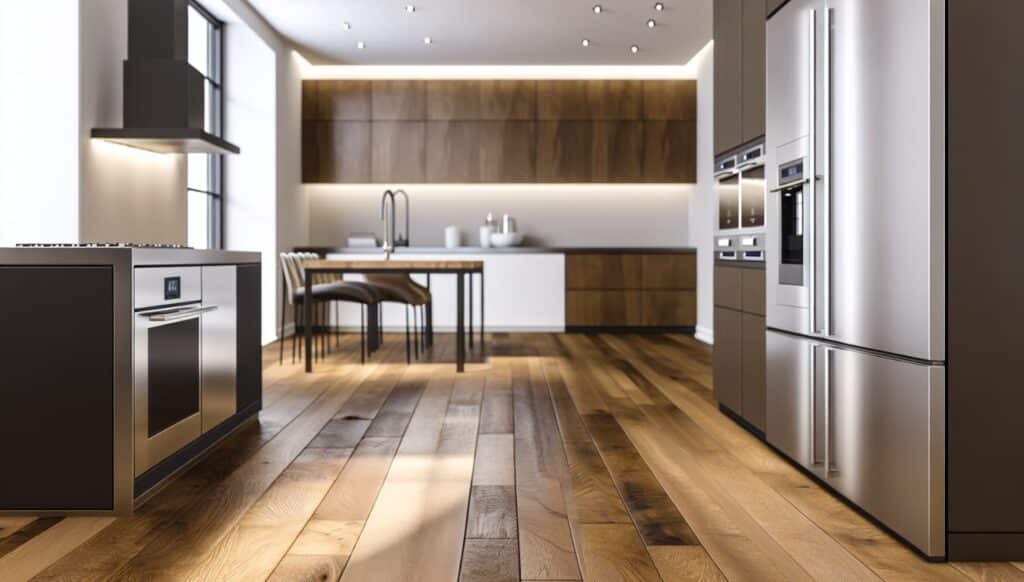
Flooring can influence a room’s overall character more than almost any other design element. Reclaimed hardwood showcases the unique grain patterns and natural textures that make wood such a popular choice.
Often salvaged from old barns, warehouses, factories and historic homes, it is prized for both its durability and character. Many of these boards have been part of buildings for decades, giving homeowners a chance to incorporate materials with a story and a sense of history into their spaces.
Many homeowners continue to gravitate toward natural wood finishes, visible grain patterns and rich tones that emphasize authenticity rather than highly processed products. Before installation, remember that reclaimed flooring should be inspected for moisture content, structural integrity and any necessary refinishing requirements.
3. Add Texture With Reclaimed Brick and Stone
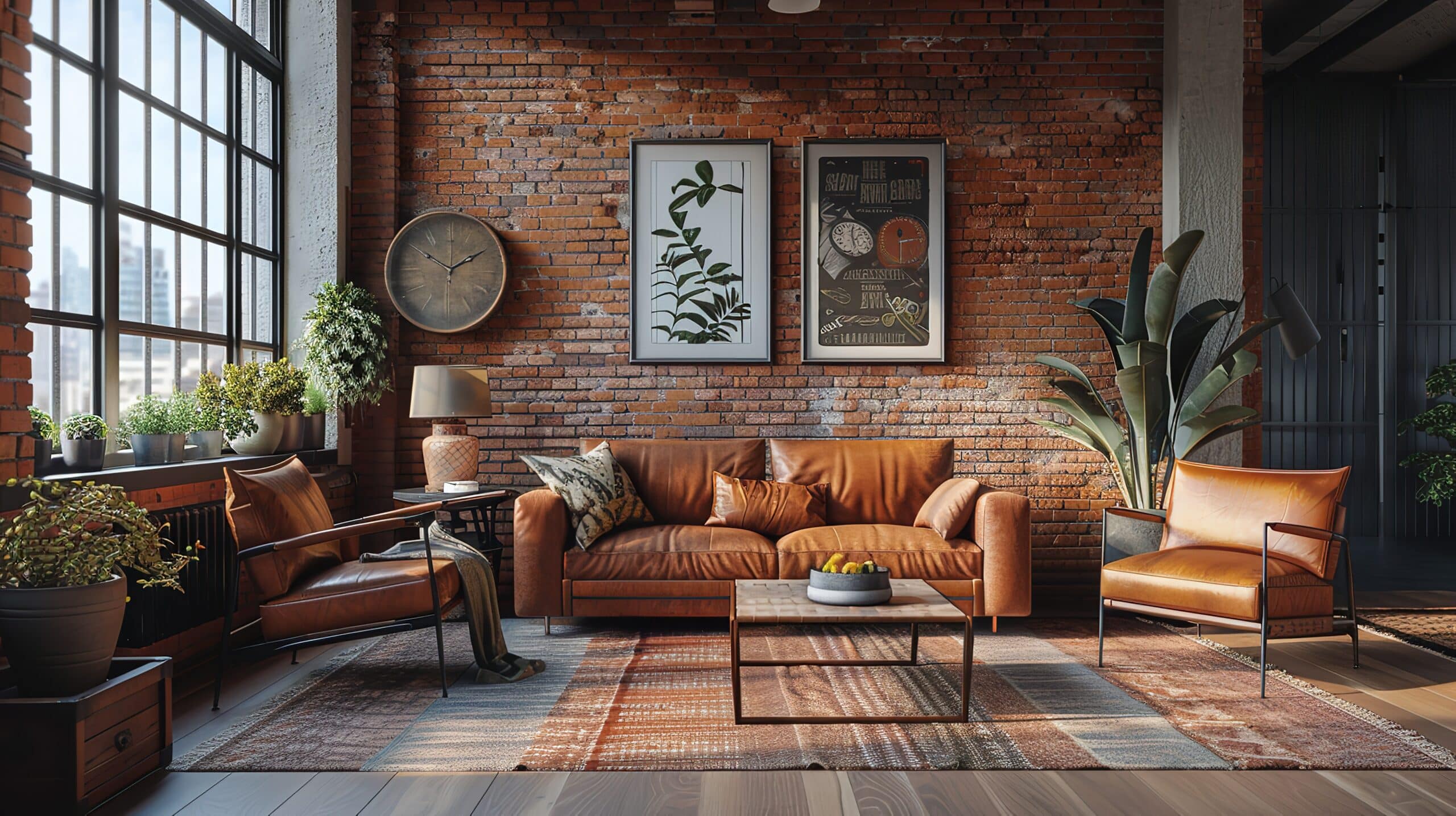
Brick and stone provide visual contrast while helping spaces feel grounded and substantial. Reclaimed brick works particularly well in feature walls, entryways and fireplace surrounds.
Salvaged bricks often vary in color and surface wear, creating a layered appearance that manufactured alternatives may struggle to match. You can incorporate reclaimed stone into kitchens, bathrooms and outdoor living areas.
Consider repurposed granite, slate, limestone and marble for countertops, backsplashes and vanity surfaces. Their natural variation can make each installation feel unique. Combining reclaimed masonry materials with contemporary cabinetry and minimalist furnishings can create an appealing balance between old and new.
4. Repurpose Architectural Salvage as Functional Decor
Architectural salvage offers you an opportunity to incorporate reclaimed materials without committing to major renovations. You can adapt elements that were originally designed for one purpose into decorative or functional features that add visual interest throughout your home.
Architectural salvage stores usually offer a variety of elements that were originally attached to a home or building, instead of just the decorations or furniture that you would find in a regular thrift shop.
Vintage doors are a good example of how this approach could work. An old door can become a sliding room divider, headboard or dining table surface. Salvaged windows can be transformed into wall decor, cabinet inserts or decorative partitions that help define spaces while preserving natural light.
Smaller architectural elements can have a similar impact as well. Antique shutters, decorative corbels, reclaimed iron grates and vintage hardware introduce a touch of craftsmanship that is often difficult to find in modern mass-produced products. These details help personalize your space while creating connections to the history of the materials themselves.
Architectural salvage comes in a wide range of styles and finishes. It can complement everything from industrial lofts to contemporary homes that prioritize one-of-a-kind decor.
5. Upgrade Bedrooms With Reclaimed Design Elements
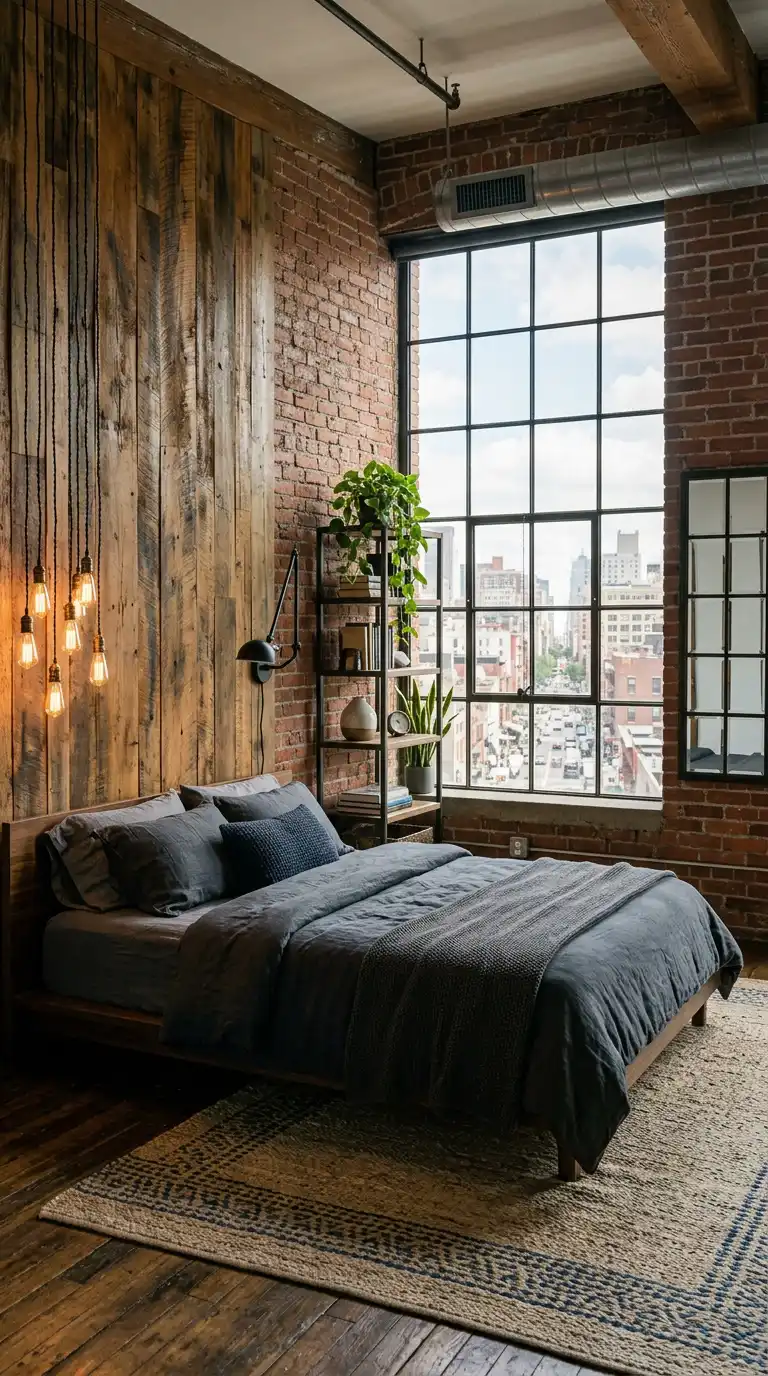
Bedrooms provide an ideal setting for smaller reclaimed-material projects that deliver significant visual impact. A custom headboard constructed from salvaged wood can serve as a focal point while adding natural texture to the room.
Reclaimed ceiling planks, floating shelves and storage benches offer additional ways to incorporate reused materials without undertaking a major renovation. These features can be especially valuable in smaller bedrooms, where maximizing storage is often a priority.
Floating shelves are a good way to make use of vertical wall space, while built-in benches or window seats with hidden compartments provide extra storage without increasing clutter. Decorative baskets, under-bed storage solutions and other space-saving elements can further improve functionality while maintaining a cohesive design aesthetic.
6. Incorporate Reclaimed Metal for Contemporary Contrast
Wood and masonry often receive the most attention in reclaimed-material projects, but salvaged metal may be equally valuable. Steel, iron, brass and copper components can introduce contrast and visual structure throughout a home.
Vintage hardware, industrial fixtures and architectural salvage pieces can find new life as lighting, shelving supports and decorative accents. Reclaimed metal works particularly well in contemporary interiors because it contrasts with softer materials such as wood and textiles.
Elements like stainless steel kitchens and cool metals are a current trend that might remain strong in the near future. Repurposing metal can keep your spaces current while supporting sustainability.
Blackened steel railings, repurposed factory lighting and weathered brass fixtures may be some good options to create striking visual combinations without dominating the room. Protective cleaning and sealing help preserve the materials and ensure long-term durability.
Match Reclaimed Materials to Popular Design Styles
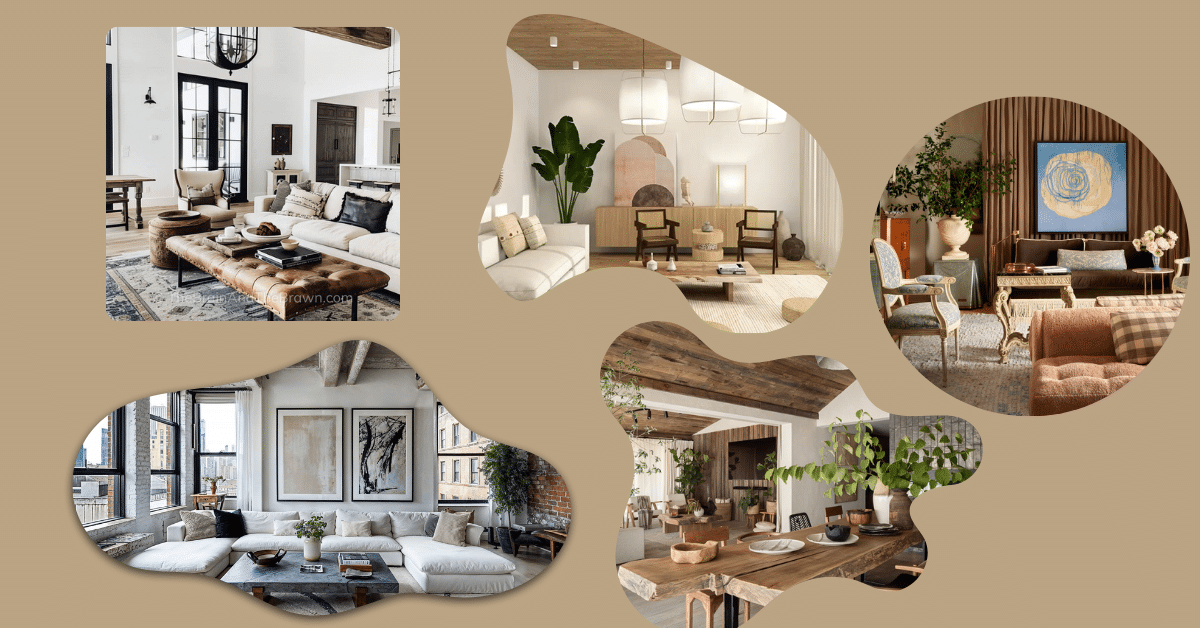
One of the biggest advantages of reclaimed materials is their versatility. Whether your home leans rustic, modern or somewhere in between, salvaged items can enhance the look without feeling forced. Here are a few design styles where repurposed elements work especially well:
- Modern farmhouse: This style embraces reclaimed materials, particularly wood beams, vintage-inspired fixtures and salvaged architectural details. Today’s version of the style may be less rustic than earlier interpretations, favoring cleaner lines, lighter color palettes and a more refined overall appearance.
- Japandi: This design style blends Scandinavian practicality with Japanese simplicity, placing an emphasis on craftsmanship, texture, serenity, balance and natural finishes. Reclaimed wood furniture, shelving and architectural accents can add warmth while maintaining the style’s uncluttered feel.
- Industrial design: Exposed brick walls, salvaged metal fixtures and weathered wood surfaces help capture the character of old factories and warehouses. These elements add depth and visual interest while complementing the style’s utilitarian roots.
- Quiet luxury: This trend focuses on quality over excess. Rather than relying on bold statements or trendy decor, this style highlights subtle and elevated materials. Reclaimed hardwoods, natural stone and carefully selected vintage pieces can contribute to a sophisticated space that feels elegant.
- Biophilic design: This design trend promotes creating harmony with nature through design elements. Reclaimed wood, stone and other natural materials fit seamlessly into this approach. Combined with plants and natural light, they can help create spaces that feel welcoming and grounded.
What to Consider Before Using Reclaimed Materials
Careful planning helps ensure reclaimed materials perform as well as they look. Older items should always be evaluated before you decide to install them in your home. You should inspect salvaged materials for structural damage, moisture issues and signs of deterioration.
While many construction and demolition materials can be safely reused, some older building components may contain substances that require special handling because they may be harmful to human health.
Materials containing asbestos, lead or polychlorinated biphenyls (PCBs) can pose health and environmental risks if they are not properly identified and managed. Federal regulations and guidance help ensure these items are handled safely. Homeowners and contractors should carefully inspect them and follow all applicable requirements before incorporating them into a project.
Why Reclaimed Materials Are a Good Home Design Option
The popularity of reclaimed materials reflects broader shifts in how homeowners approach renovation and interior design. Sustainability is still a major factor. The U.S. Environmental Protection Agency reports that construction and demolition activities generate approximately 600 million tons of debris annually. Reusing building materials keeps valuable resources out of landfills and reduces the need to produce new construction products.
Growing appreciation for craftsmanship also plays a role. Many salvaged materials feature details that are difficult to replicate through modern manufacturing processes, including hand-formed brick, old-growth lumber and naturally weathered finishes.
Design preferences have evolved as well. The latest trends prioritize authenticity and timeless appeal. Reclaimed materials align naturally with these priorities while offering homeowners opportunities to create spaces with a stronger sense of individuality.
Bringing Old Materials Into Modern Spaces
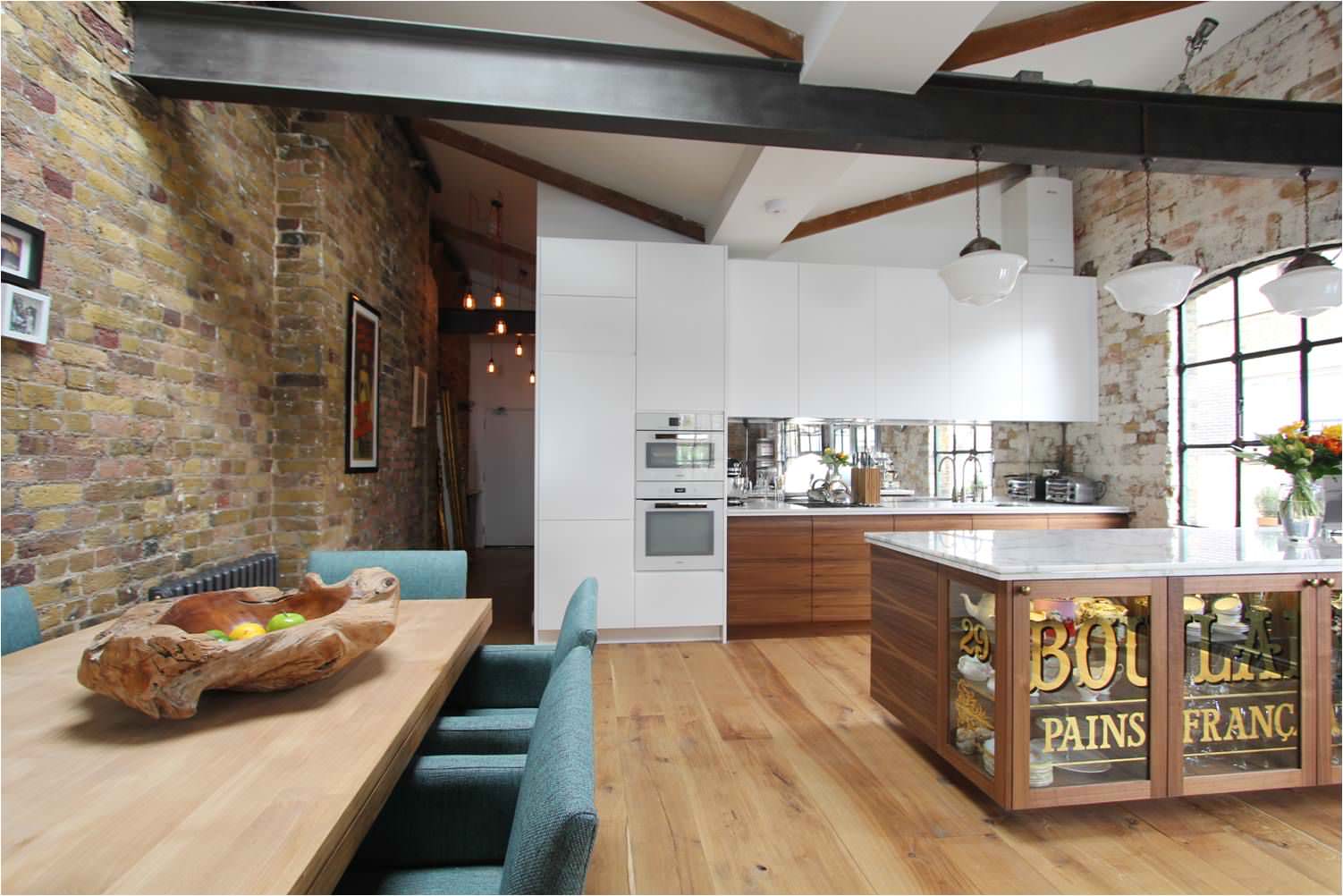
Reclaimed materials allow you to create spaces that feel unique while reducing demand for newly manufactured products. Using salvaged items can also support today’s most popular design styles while adding a sense of permanence that many contemporary interiors lack. Thoughtful planning and proper material evaluation help ensure these elements are safe to use, enabling them to contribute both beauty and long-term performance to a renovation project.