
The Neighbor’s Guide: How to Manage Renovation Debris Without Drama
Renovations can bring noise, dust, debris and traffic into the neighborhood. However, with a little planning, you can contain the mess, give neighbors fair warning and get the work done without creating unnecessary friction.
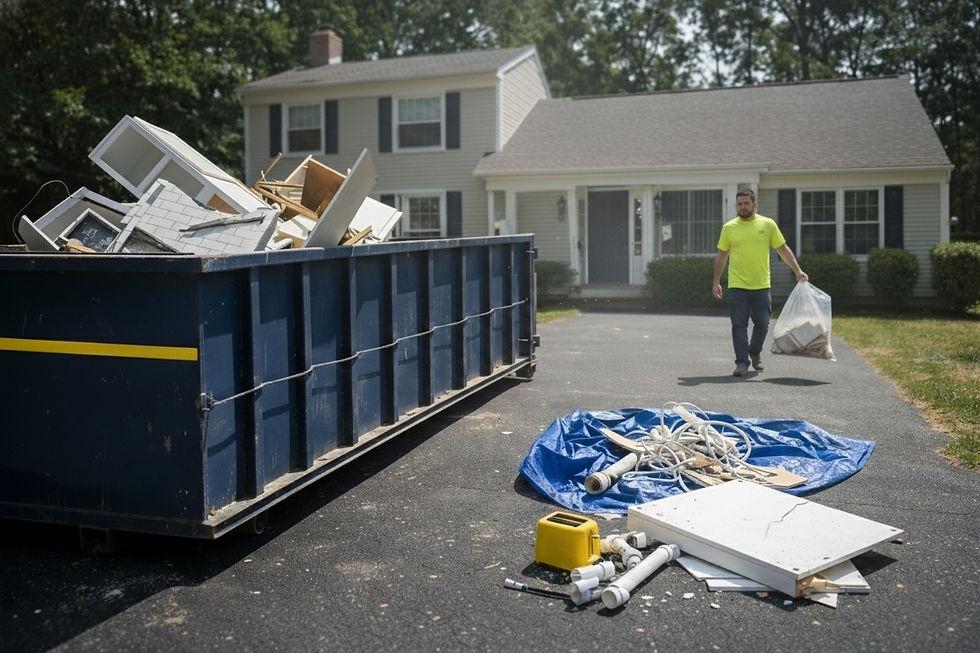
Why Renovation Etiquette Matters
When you plan a major home renovation project, your attention naturally goes toward your own property. However, exterior work can reach beyond your lot due to noise, dust, construction waste, delivery trucks and temporary parking.
The size of many renovation projects also makes good neighborly manners worth considering from the start. According to a 2024 study, median renovation spending rose 60% from $15,000 in 2020 to $24,000 in 2023. In 2023, 51% of renovating homeowners spent at least $25,000.
A larger project often brings more workers, deliveries, materials and waste. However, good communication and basic upkeep can make those disruptions easier for everyone nearby.
The Hidden Costs of Poor Etiquette
A stack of roofing materials in the wrong spot or a truck blocking a driveway can create an immediate headache for a neighbor. Someone may need to leave for work or pick up their child and suddenly find their usual access blocked.
Ongoing problems can also lead to noise complaints, parking disputes, property damage claims or work delays. Local rules may sometimes carry fines for certain violations. Debris that is improperly disposed of, such as dust, nails or broken materials, can sometimes cause injuries and health concerns.
Think about the effects of the project beyond your own yard. That mindset can prevent many small annoyances from escalating into major disputes.
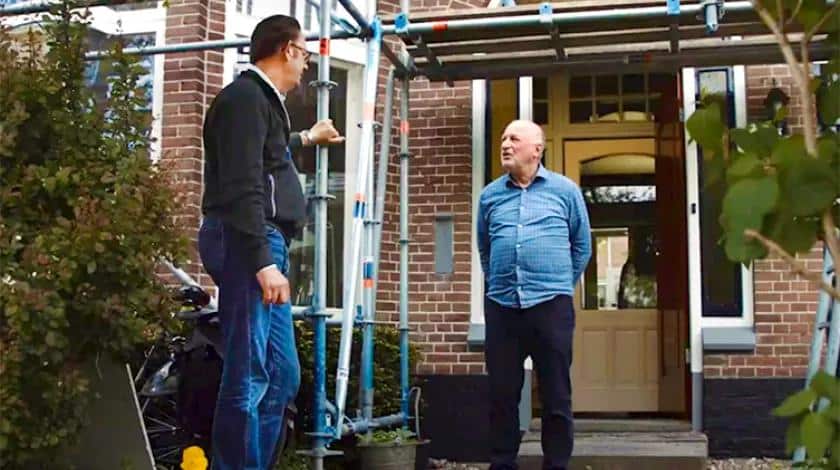
Keeping the Peace and Your Property Value
A clean, orderly site looks better from the street and reduces hazards around the property. Keeping loose materials secure can also reduce the chance of debris reaching nearby yards or sidewalks.
Your neighbors share the same street and the surrounding environment. Containing construction waste, cleaning shared areas and limiting unnecessary disruption show consideration for the community around your home.
Pre-Renovation Communication Sets the Stage
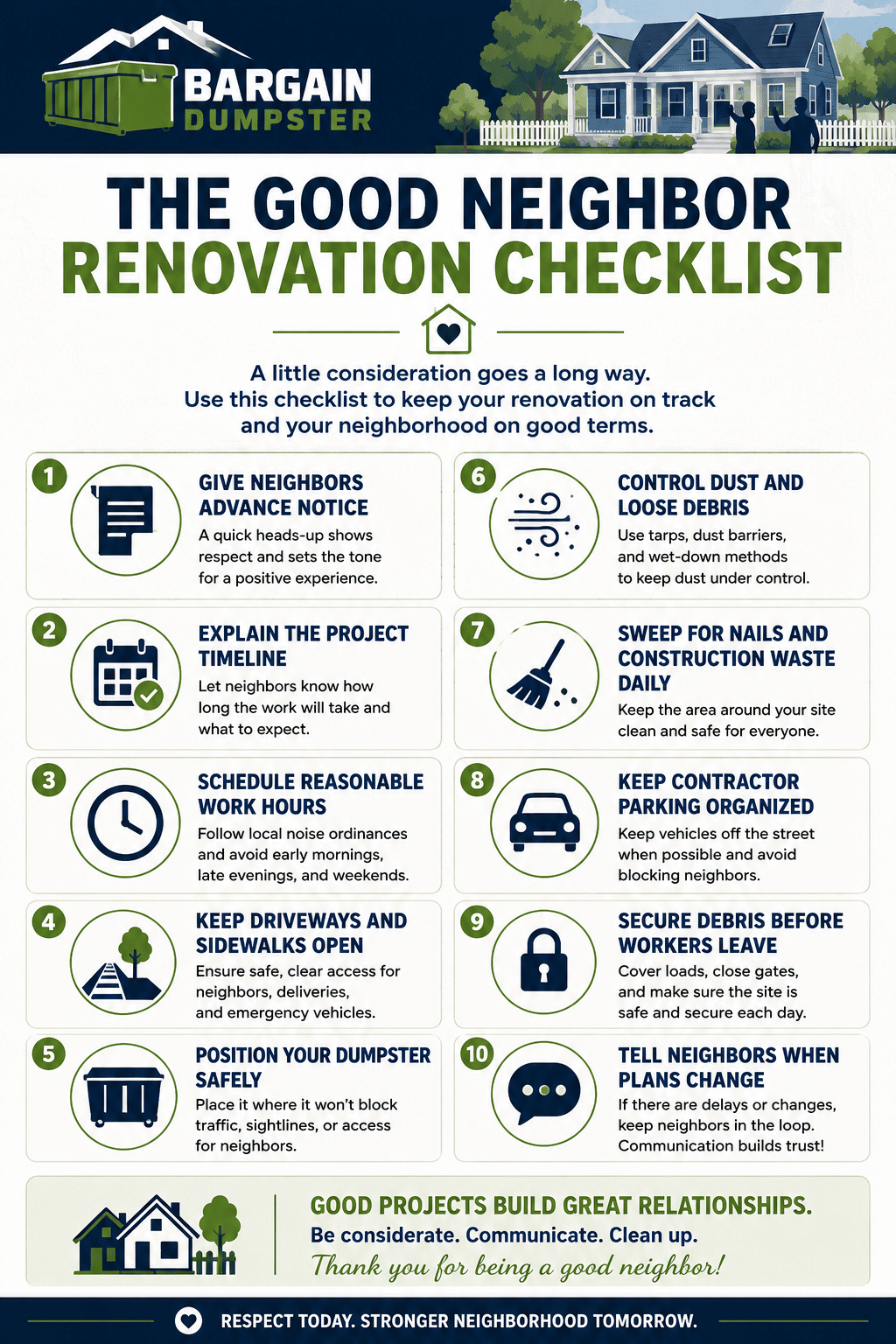
Good communication starts before demolition or other work begins. A short conversation can give neighbors the information they need and give you a chance to address practical concerns before they arise. You can have a quick conversation at the door or leave a friendly note to cover the basics.
Introducing the Project and Yourself
If you already know your neighbors, stop by and give them a quick heads-up. If you have barely spoken before, introduce yourself and explain what you have planned. Give them a few useful details, such as:
- What type of work you are doing
- When the project should start
- How long you expect it to last
- Which days may bring especially loud work
- Where workers, trucks and dumpsters will go
- Who they can contact if a problem comes up
Research shows that one in six Americans doesn’t know any of their neighbors’ names. Introducing yourself to your community is essential, even if you’re not planning to remodel anytime soon, as it can help you learn more about your area, socialize and even receive help and understanding when necessary.
You should also check local construction requirements before work starts. Rules vary by city and county, and some jurisdictions require advance notice for certain projects. For example, Philadelphia requires advance neighbor notification for certain dust-producing activities, with some situations calling for at least 10 days’ notice.
Even when local law does not require notification, giving neighbors advance notice can make the project easier for everyone around you.
Being Transparent About Timelines
A realistic timeline gives your neighbors a useful idea of when the noise and traffic should end. Before you share a completion date, ask your contractor for an estimate based on the actual project.
Roof replacement offers a straightforward example. A typical residential roof replacement can take about one to three days for an average-sized home, although roof size, weather and the condition of the existing roof can affect the schedule.
Use the same habit with other types of renovations. Ask contractors how long similar projects usually take, then ask what factors could change your schedule. If a contractor gives you a time frame that runs considerably longer than the typical duration, ask for an explanation.
Build some extra time into the estimate. Bad weather or unexpected delays can extend a project. If the schedule changes, tell your neighbors as soon as you have useful information. People generally handle disruption better when they know what to expect.
Establishing a Feedback Loop
Give nearby neighbors a phone number for you or the project manager. Let them know they can reach out if they have a concern about parking, debris, noise or access.
That direct line can help resolve small problems early. If a neighbor spots loose nails in their driveway or sees a truck blocking their garage, they can tell someone who can address it. Keep an eye on messages and calls because a contact number only helps when someone responds promptly.
Practical Strategies for Debris and Mess Management
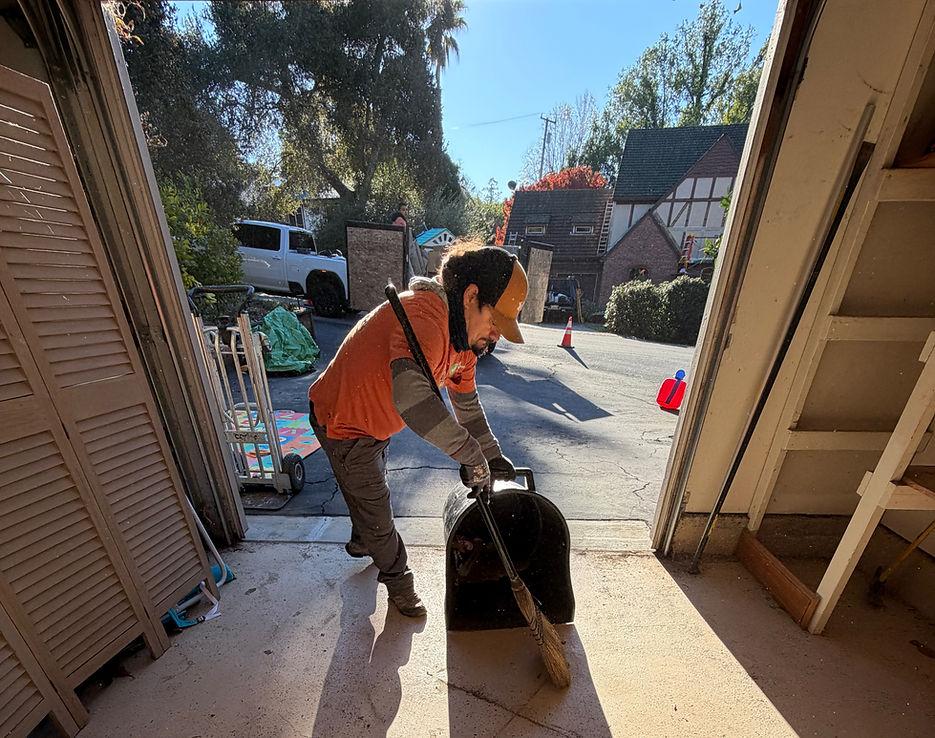
Renovation waste can spread quickly. Wind can carry lightweight packaging, workers can track dust onto sidewalks and demolition can leave sharp pieces in places you never expected. Set clear expectations with your contractor before work starts. Decide where materials will go, where waste will collect and how workers will protect neighboring properties.
Containing Dust and Runoff
Ask the contractor how the crew plans to control dust and debris. Depending on the project, that could involve ground coverings, tarps, fencing, barriers or other containment measures.
Certain exterior renovations involving lead-based paint are subject to specific Environmental Protection Agency requirements. When work affects surfaces within 10 feet of a property line, vertical containment or equivalent precautions may be necessary to keep dust and debris from reaching nearby properties.
For dusty work, ask whether dampening surfaces makes sense for the job. Cover exposed soil when appropriate and use barriers to keep loose material from blowing toward neighboring yards. These precautions are especially necessary during windy weather, after which you should inspect the edges of your property and clean up any dust or debris that may have escaped.
Proper Staging for Materials and Dumpsters
Decide where materials will go before the first delivery arrives. Lumber, roofing supplies, tools and waste containers should have designated areas that keep sidewalks, driveways and sightlines clear.
Give special thought to dumpsters. A container should sit somewhere that allows people to walk and drive safely. If you plan to place one in the street, check local rules first. Your city or county may require a permit or specify where the container can go.
Pay attention to your neighbors’ sight lines. A stack of materials or a large dumpster can make it harder for someone to see approaching traffic while backing out of their driveway. You should also think ahead about delivery and pickup. If a large vehicle interferes with access, tell affected neighbors when to expect it.
Establishing Daily Site Cleanup Rules
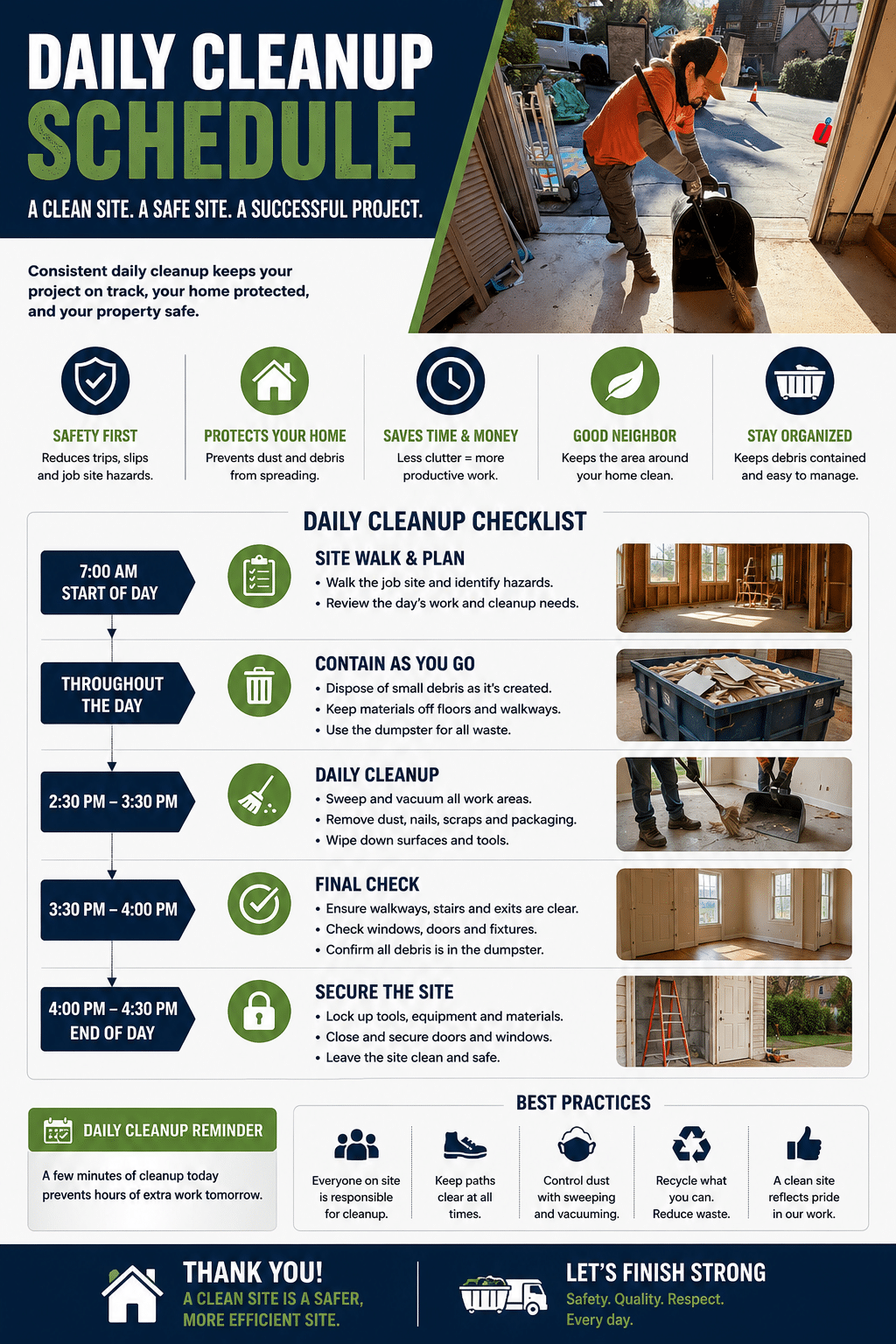
Daily cleanup keeps small problems from accumulating. Ask the crew to finish each workday with a quick inspection of the site and surrounding areas. A few minutes of cleanup can prevent a neighbor from finding construction waste in their yard the next morning. These simple tasks should happen before workers leave:
- Secure loose materials: Tie down lightweight items and secure anything that the wind could carry away.
- Sweep and inspect: Check sidewalks, driveways and the edges of the work area for nails, screws, wood fragments and other hazards.
- Contain waste: Put demolition debris and loose trash in the designated container instead of leaving piles around the property.
Navigating Noise, Parking and Disruption
Even when every piece of debris stays on your property, early-morning noise and crowded streets affect how neighbors use their homes each day. Planning these details before the crew arrives can reduce the daily irritation that sometimes accompanies construction.
Setting Respectful Working Hours
Confirm with your contractor that the crew sticks to reasonable working hours. You should also check your local ordinances for the specific time window, as permitted hours may vary by city or county.
Then, consider your neighbors’ routines. Even if a crew can legally start early, running saws or heavy equipment at the first possible hour may wake people who work nights or simply enjoy sleeping in on the weekends. If an especially noisy day lies ahead, tell your neighbors beforehand.
Managing Contractor Parking
Coordinate with your crew about where they park before work begins. Large trucks and trailers can quickly eat up all the available street parking, blocking mailboxes or entire driveways.
A quick conversation about designated parking spots, along with weekly reminders, keeps this from being a recurring issue. If your street is tight, ask the crew to consolidate vehicles as much as possible or use your own driveway as the primary staging area so the impact on the block stays minimal.
Wrapping Up and Rebuilding Relationships
Once the dust settles and the crew packs up for the last time, a small gesture goes a long way to close things out on good terms. A thank-you note, a small gift or even just a knock on the door to let neighbors know the project is finished can turn a stressful few months into a slightly more pleasant story.
Keeping your site clean throughout the process starts with the right equipment. If you’re planning your own renovation, renting a dumpster that fits the task makes it easier to keep debris contained and your neighbors happy.