
Instagram Made Us All Terrible at Home Design
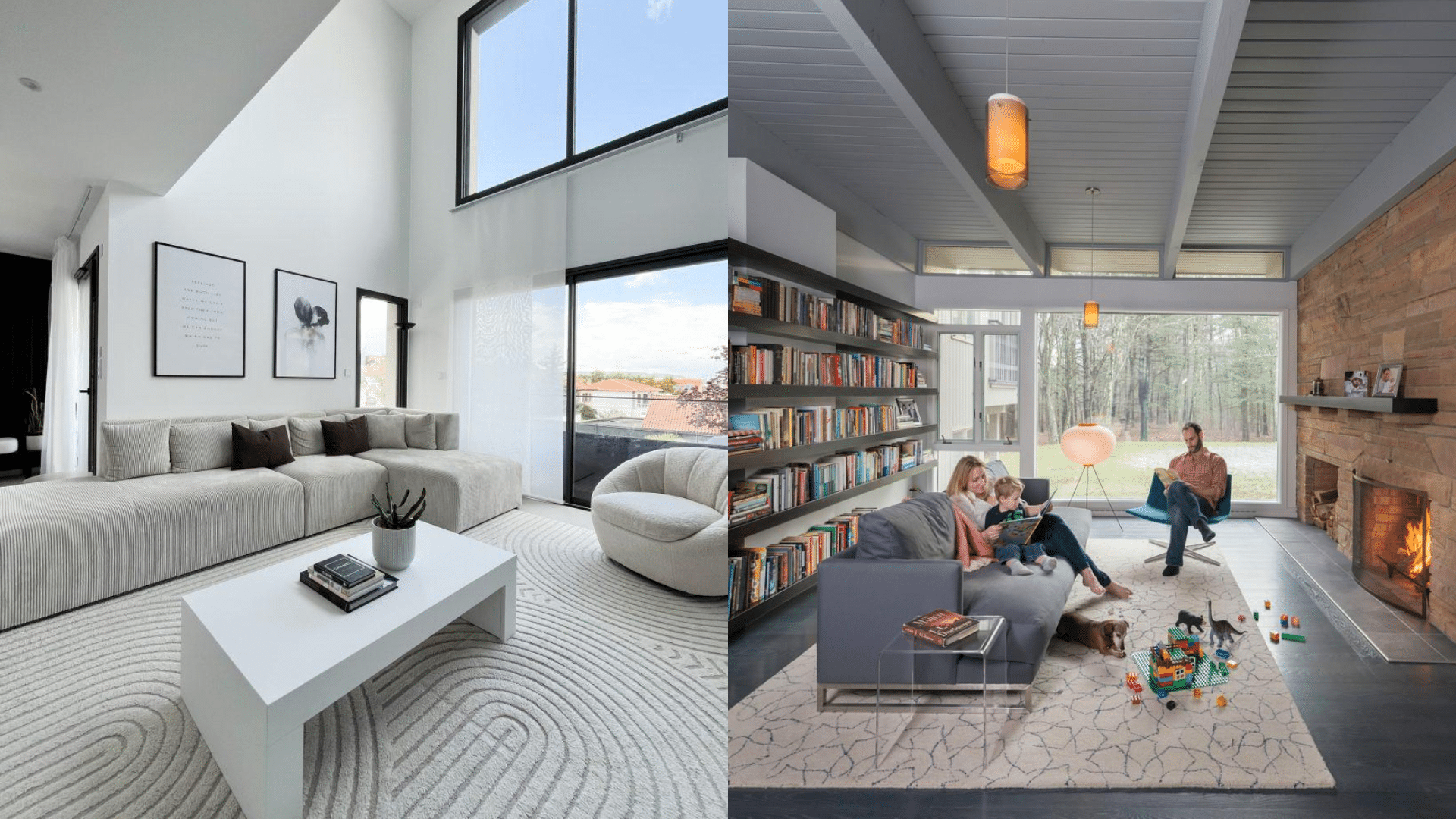
If you scroll through Instagram for five minutes, you’ll probably see the same arched doorway, fluted vase and the same shade of “greige” on wall after wall after wall. Somewhere along the way, home design stopped being about how you live in your space and started being about how your space performs for an audience.
Instagram rewards aesthetic photographs, but a home that photographs well is not always a home that functions well. Though Instagram changed how many approach home design, you can shift your focus so your home actually works for the way you live.
Watching Instagram Reshape the Way You Design Your Home
Before social media, you likely pulled design inspiration from magazines, showrooms and word of mouth. Those sources moved slowly, and trends had time to prove themselves before they spread. Instagram fast-tracked that timeline. A single viral post can send thousands of homeowners toward the same paint color or pendant light style within days.
That speed comes at a cost. People now start or accelerate home improvement projects nearly twice a year on average because of something they saw on social media, according to a 2025 report. The effect is even stronger among younger homeowners. When decisions move that fast, you lose the room to ask whether a trend actually fits your household, your budget or your daily routine.
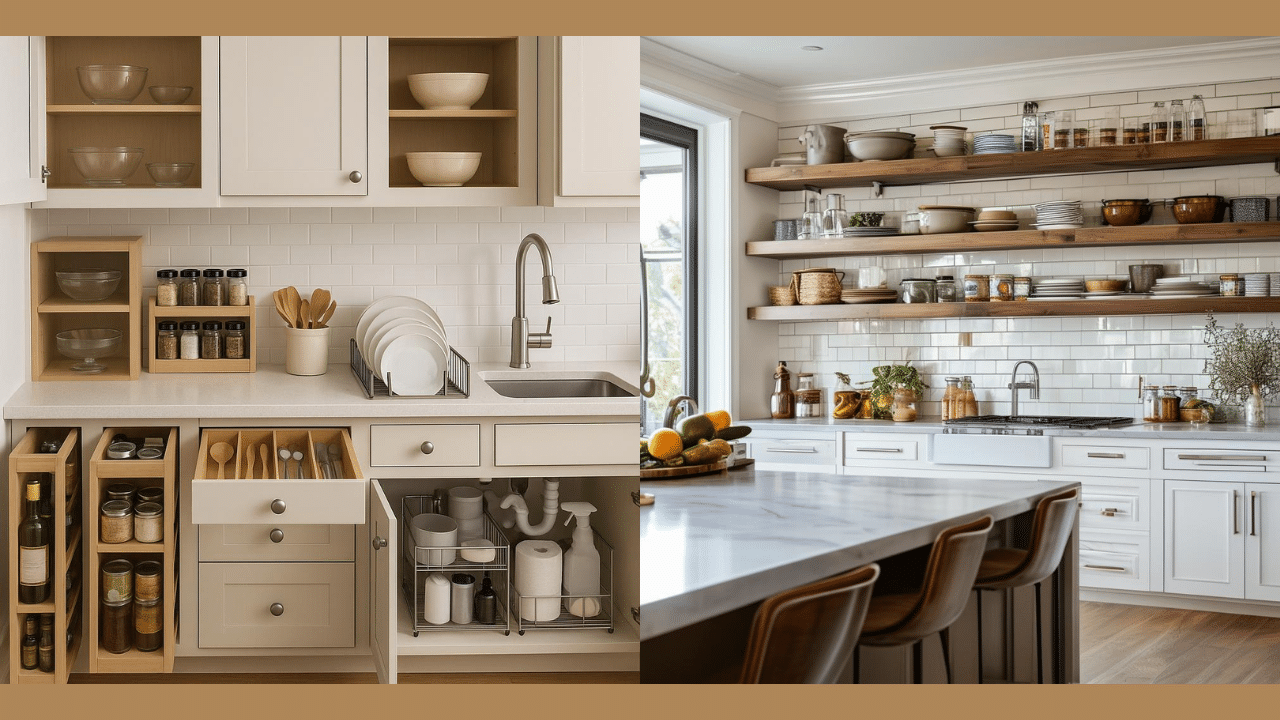
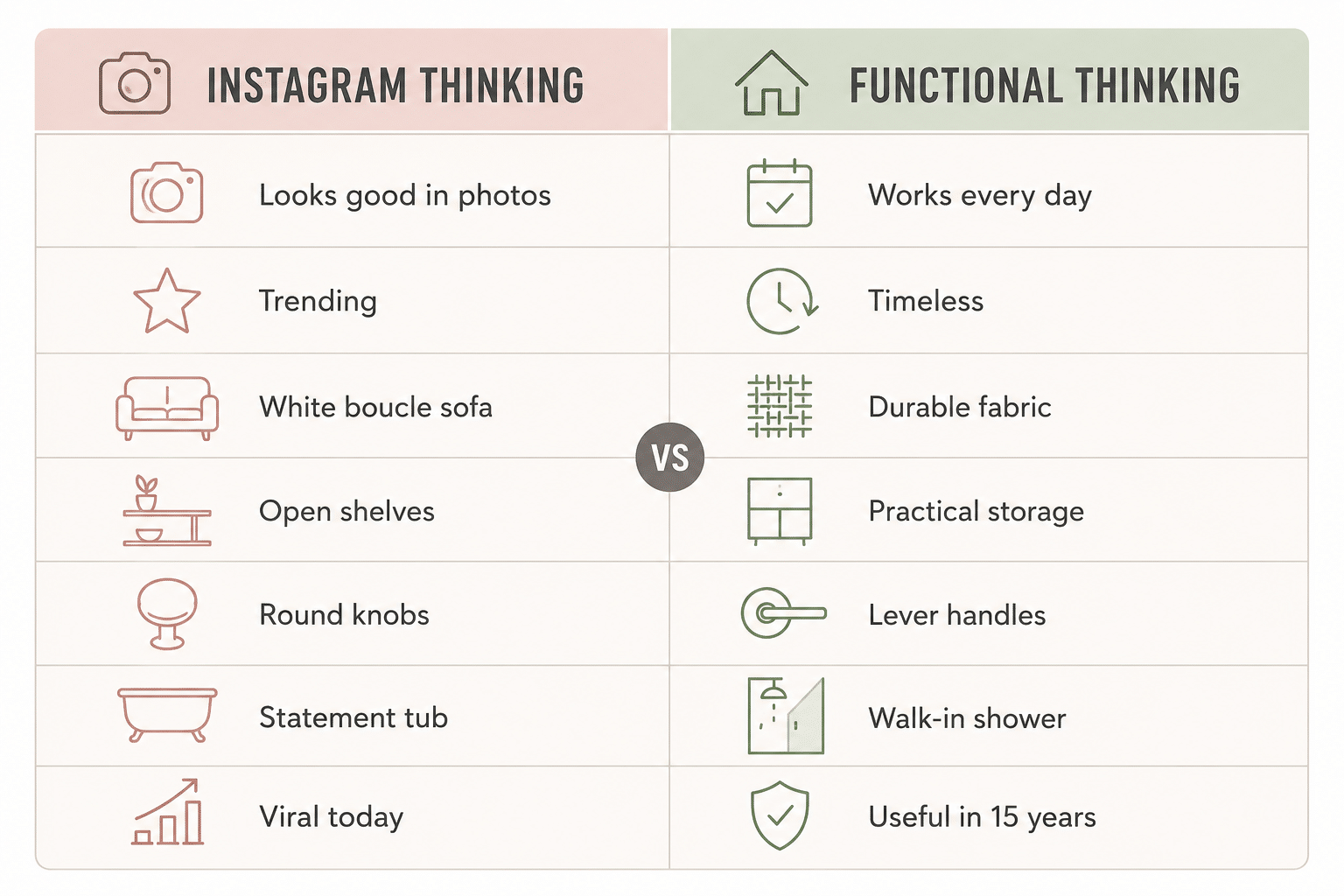
The result is a design culture built around what looks good in a photo rather than what holds up over years of actual use. Open shelving looks airy in a styled kitchen shot, but it means dusting your dishes weekly. A statement soaking tub looks luxurious in a bathroom reel, but it can eat up floor space you need for storage.
Chasing Trends Instead of Building Function
The core problem with trend-driven design is that trends are, by definition, temporary. What earns likes today can feel dated or impractical in a few years, and you can end up having to redo work you just finished. Function, on the other hand, does not go out of style. A kitchen with enough counter space, a bathroom with adequate storage and a living room with good traffic flow will serve you well, no matter what is trending on your feed.
Aesthetic-first design also tends to ignore the people who actually live in the home. A minimalist, all-white nursery might look serene online, but may not actually be soothing or practical for a family with young kids. A dramatic dark accent wall might photograph beautifully, but it can make a small room feel even smaller in person.
None of this means you need to avoid trends altogether. Treat hot styles as one input among several rather than the entire plan. Ask how a design choice will hold up for the way your household actually uses the space, then decide if the trend is worth adopting, adapting or skipping.+
Falling Into the Identikit Home Trap
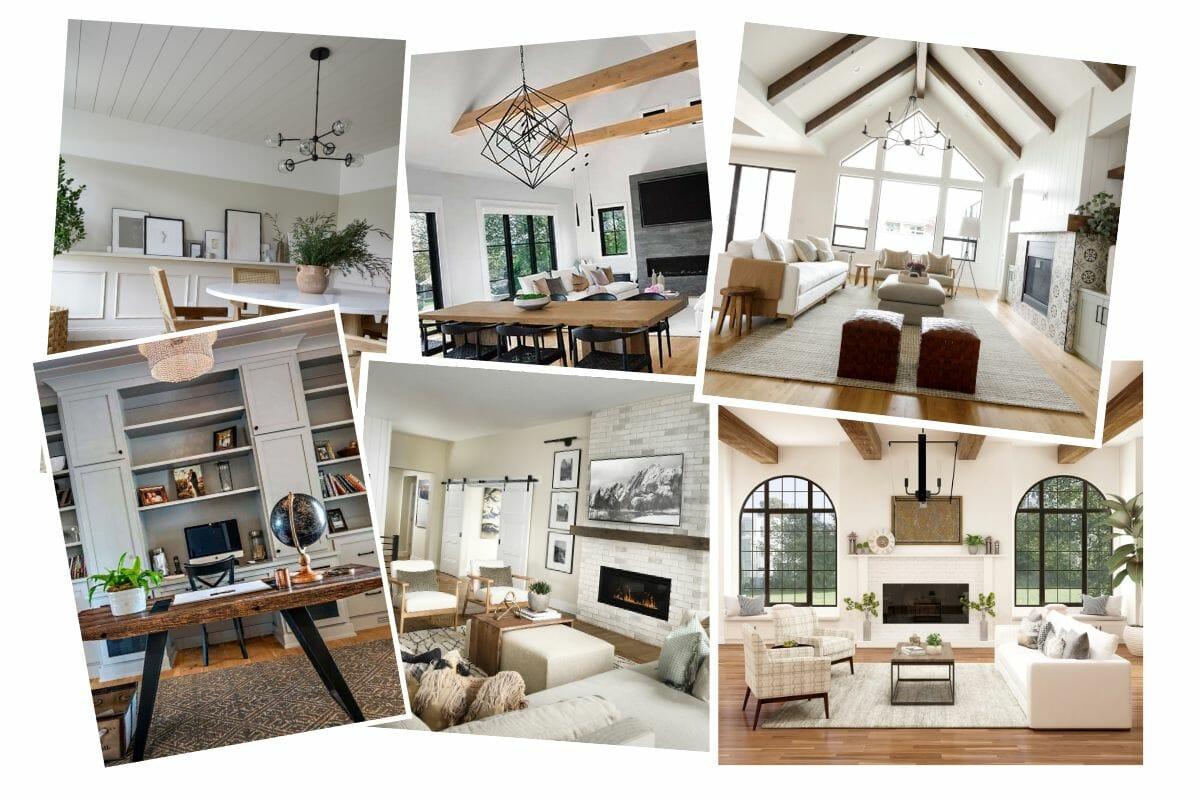
There is also a quieter cost to trend-chasing that has nothing to do with function. When thousands of people pull inspiration from the same handful of viral accounts, homes across the country start to look identical. Design writers have already flagged this pattern, describing a rise of near-copy interiors that swap out personal style for whatever is algorithmically popular at the moment.
Your home is one of the few spaces where your personality should show up in the details, not just the layout. Leaning too hard on any single trend, even a beautiful one, can leave you with a space that feels more like a showroom than a home. Mix in pieces that reflect your own history, taste and needs to keep your home from blending into everyone else’s feed.
Future-Proofing Your Home for Years to Come
Once you shift your focus from trends to function, the next step is thinking ahead. Future-proofing means making choices now that will still serve your household in five, 10 or 20 years, whether that means a growing family, aging parents or your own changing lifestyle.
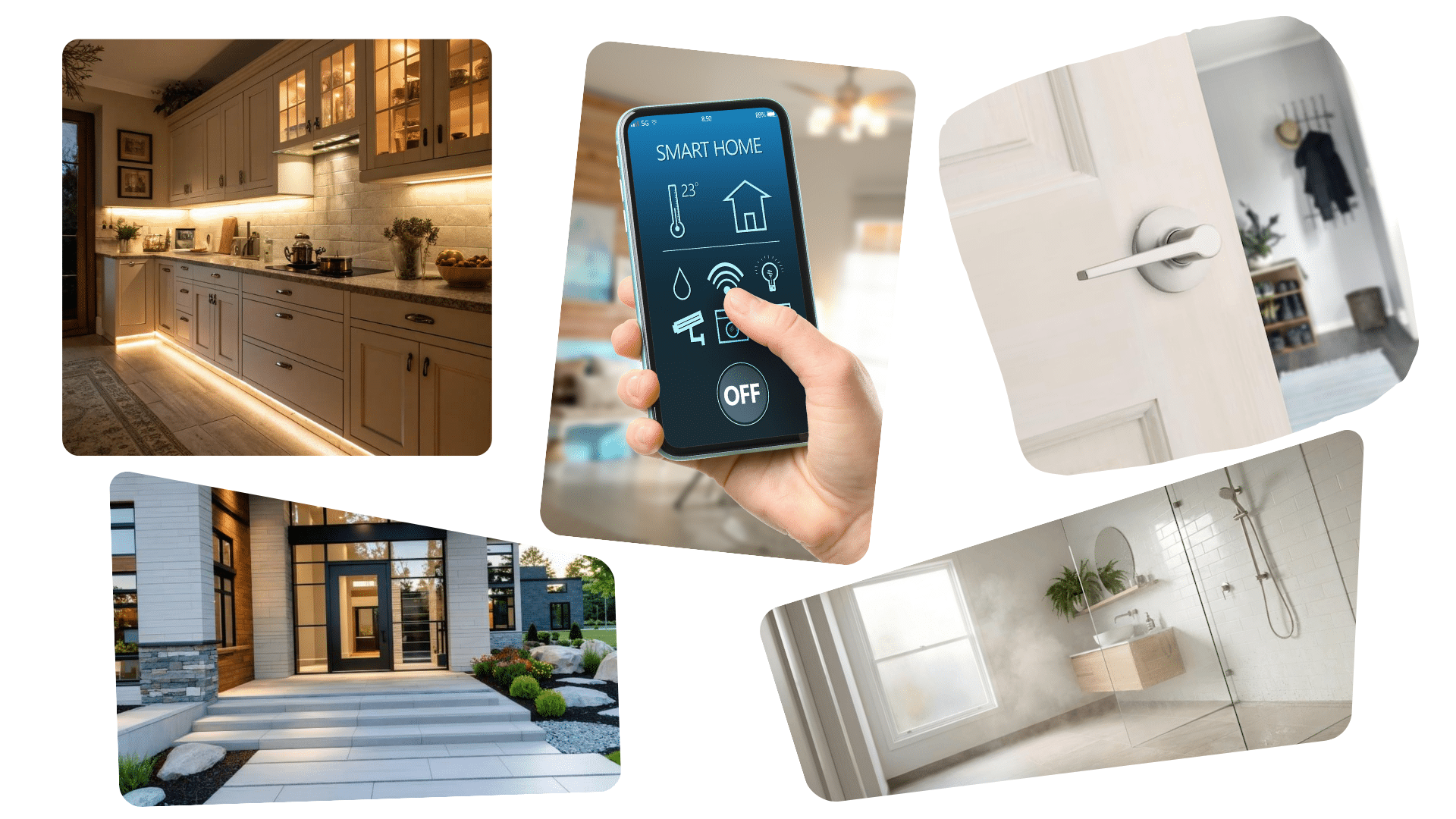
One of the easiest ways to future-proof your home starts with the door hardware you touch every day. Round doorknobs require a firm grip and a twist that gets harder with arthritis, injury or simply full hands. Swapping them for ADA-compliant lever door handles fixes that instantly, since you can open them with an elbow, a fist or a light push. It is a small swap that makes your home more accessible for everyone who lives in or visits it.
Zero-step entries are another upgrade worth planning for, since a single step at your front or back door does not register as a hazard when you move through it quickly every day, but that changes the moment someone is carrying groceries or managing a stroller. Grading the entry so it meets the walkway at the same level removes that tripping risk and makes the transition in and out of your home effortless for guests of any age.
Lighting matters just as much over time. A single overhead fixture might have felt like enough when you first moved in, but eyesight and daily tasks change as you age. One bright light in the center of a room rarely serves every need. Adding dimmable overheads and under-cabinet task lighting helps make your home’s lighting functional and comfortable for any occasion.
A few other upgrades worth planning for:
- Wider hallways and doorways: Accommodates strollers, walkers or wheelchairs.
- Walk-in showers: Eliminates a risky hazard that can be especially dangerous in a slippery shower.
- Slip-resistant flooring: Reduces the risk of falls in high-traffic areas like kitchens and entryways.
None of these choices sacrifices style, and most blend in so well that guests would never guess you planned them with accessibility in mind.
Choosing Timeless Design Over Fleeting Trends
Beyond accessibility, future-proofing also means choosing styles that will not feel dated when the trend cycle moves on. The good news is that timeless does not mean boring. Plenty of classic design styles are experiencing a resurgence precisely because they prioritize comfort and everyday use over a single photogenic angle. If you are bringing back the English-style kitchen design trend, you can get that classic, welcoming look in a small kitchen or on a small budget.
Styles like this tend to age well because they build on materials, layouts and details that make a home comfortable to live in day after day, which is exactly the kind of design choice worth investing in over something you saw trending last week.
Designing a Home That Actually Works for You
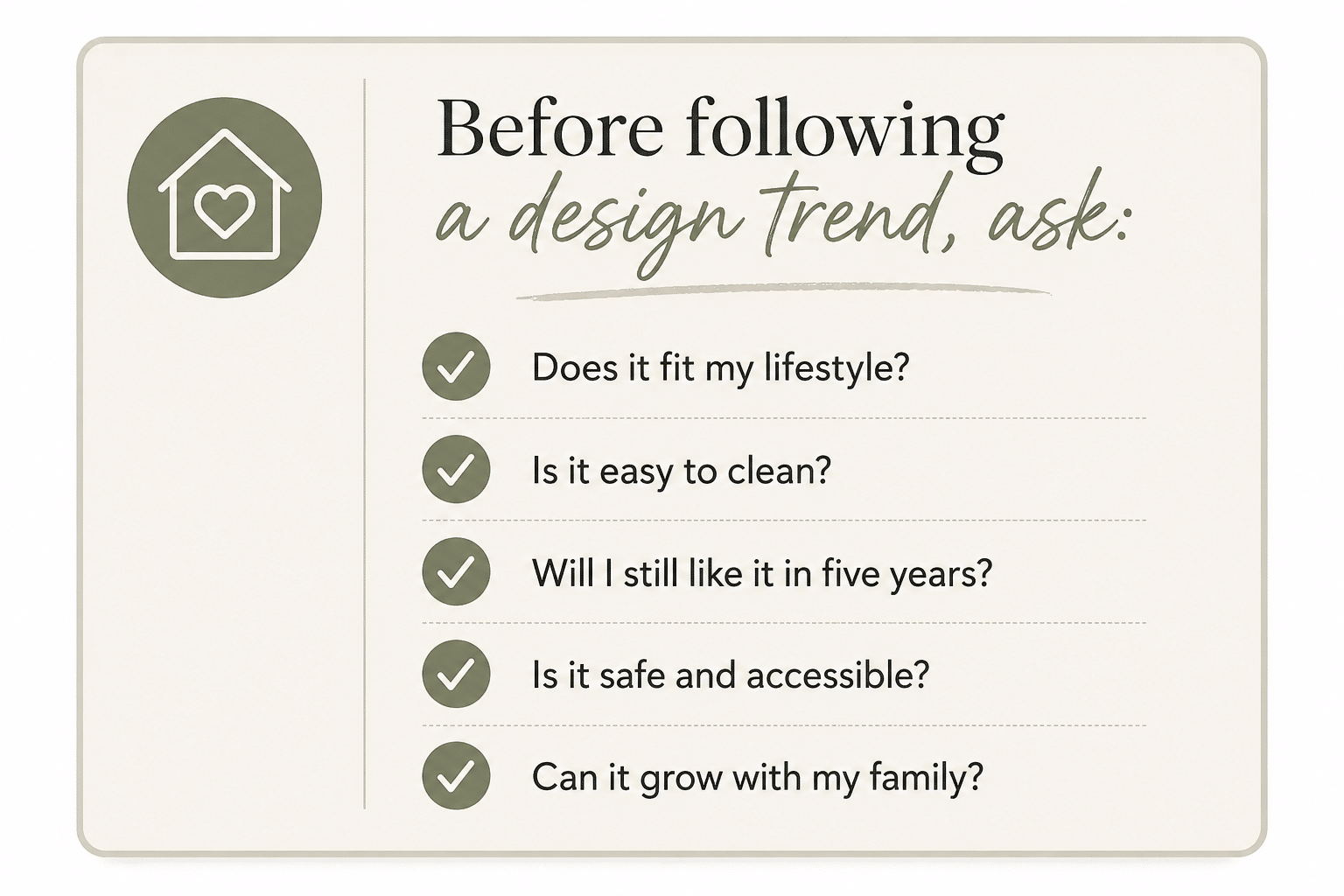
You do not need to overhaul your entire design process to design smarter. A few habits can help you filter every trend through a functional lens before you commit.
Start With How You Actually Use the Room
Before picking a single finish or fixture, list out what happens in that space on a normal day. A kitchen that hosts big family dinners has different needs than one you use mostly for quick weekday meals, and that should shape your layout decisions before your color palette. Consider furniture, walkways and open space for functionality.
Test Trends in Low-Commitment Ways
If a look catches your eye online, try it out with something reversible, such as a throw pillow, a small area rug or a gallery wall you can easily swap out. If you still love it in six months, you will feel more confident investing in it permanently.
Prioritize Durable, Adaptable Materials
Flooring, countertops and cabinetry are expensive to replace. Instead, you can choose materials that can handle daily wear and still look good in a decade. Pair neutral structure with trendy accents to update your style without a full renovation every few years.
Plan for the People Who Actually Live There
Consider mobility, safety and comfort for every member of your household, including pets and future guests. Small details like lever door handles, slip-resistant flooring or better lighting pay off for years.
Give Yourself Permission To Skip a Trend
Not every viral design has to make it into your home. If something does not fit your space, your budget or your daily routine, let it stay on your Explore page.
Ask How a Choice Performs, Not Just How It Photographs
Before you commit to a fixture or finish, picture it after a busy week, not in a freshly staged photo. Check how it holds up to daily traffic, how easy it is to clean and whether it still works once you put away the styled pillows and props. Remember that you live in your home, and the design should fit you, not the other way around.
Be Prepared to Throw Out the Old as You Welcome the New
If your next project involves any kind of renovation or decluttering, from swapping out old hardware to a full room refresh, you will likely end up with more debris than your regular trash pickup can handle. Bargain Dumpster makes it simple to rent a dumpster sized for your project, so you can focus on building a home that works for you instead of hauling away the mess it took to get there.
Building a Home That Works Beyond the Feed
Instagram offers plenty of inspiration, but it never set out to be a blueprint. The homes that feel best to live in are the ones you build around real routines, real households and choices that hold up long after a trend cycle ends. Keep function at the center of your decisions, borrow the aesthetics you genuinely love and your home will serve you well long after the algorithm moves on to the next big thing.