Removing That Dead Tree in Your Yard Before It Removes Part of Your House
Dead trees can pose a hazard to homes and lead to costly damage. They might cause problems due to their instability — branches might fall, and dry wood can be highly combustible. They also detract from a property’s aesthetic value.
Learn more about the dangers posed by dead trees and the vital steps to effectively remove them to protect your home.
Understanding the Risks of Standing Dead Trees
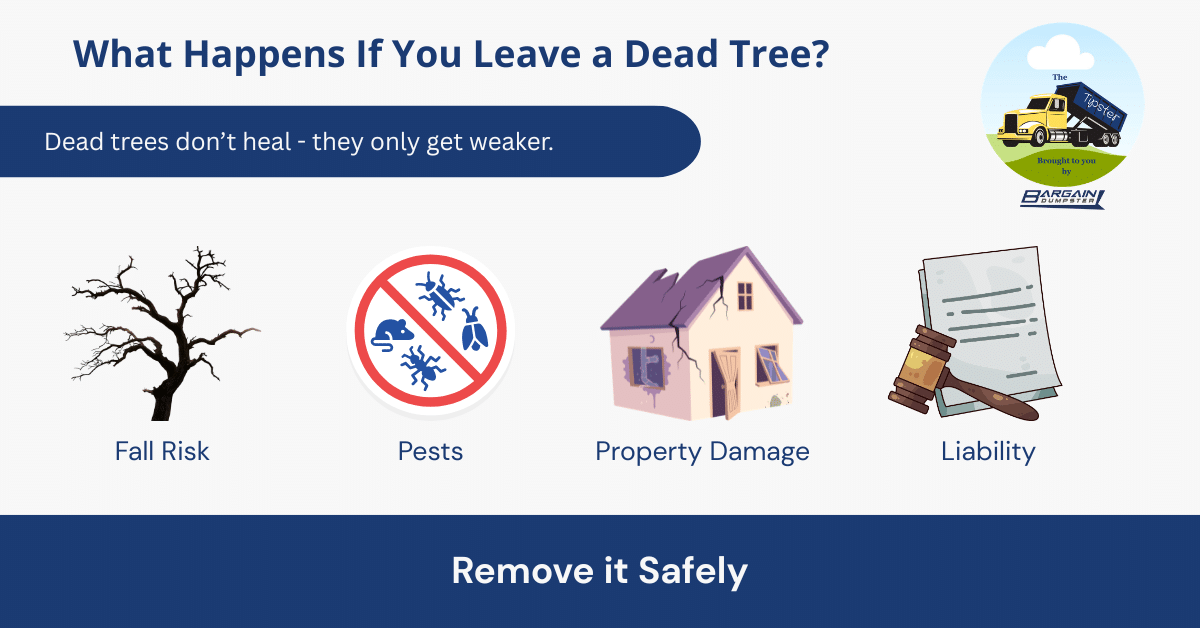
There are plenty of dangers posed by dead trees. Their weak structural integrity can cause them to fall suddenly. Fallen branches or trunks can damage homes, vehicles and landscapes. Storms and heavy winds can uproot trees, leading to accidents or damaged roofs.
Dead trees also act as fuel, especially in dry environments, which can lead to rapidly moving wildfires. Additionally, insects, termites and rodents can spread infestations and diseases that affect surrounding vegetation and your home.
Dead trees pose both financial and safety risks and detract from your peace of mind. Removal can average anywhere from $200 to $2,000, with an average cost of $750 based on the size of the tree.
Identifying When a Tree Needs to Be Removed
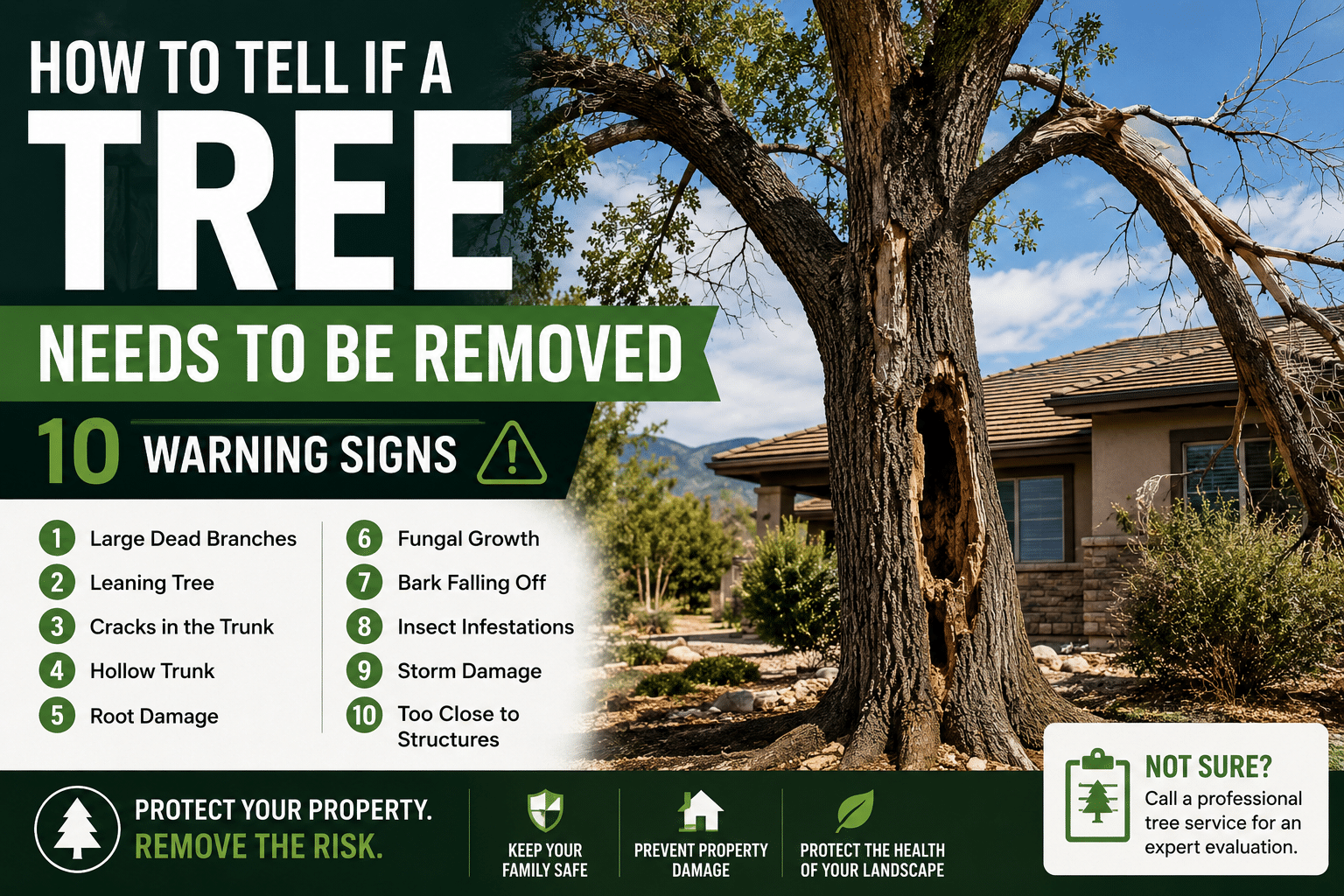
There are ways to tell that a tree needs to be removed from your property. Key indicators include a crown dieback, presence of large, dead branches and cracks in the trunk. These physical attributes are easy to spot.
A certified arborist can further analyze a tree’s health. They can assess the visible signs of disease or instability of the tree, and the associated risks that come along with them. For example, dead or damaged trees within 40 feet of your home’s perimeter can pose a significant safety hazard. High winds, heavy rain, saturated soil, pest infestation, diseases and improper pruning can weaken the branches and trunk and cause accidents.
Injuries due to falling branches, property damage, blocked driveways, liability issues and trip hazards can result. It’s important to take proactive measures to avoid these scenarios.
The Tree Removal Process
Removing a dead tree from your property is a multistep process.
Pre-Removal Preparations
Before removing any tree, you first need to have your property assessed for hazards. Certified arborists can determine whether a tree needs to be removed or if pruning and cabling are viable options.
For example, some deciduous trees need to be pruned to provide 8 feet of clear trunk space before spring blossoms appear. You also need to check local laws and get the necessary permits. You might pay a hefty fine if you cut down a tree without proper municipal clearance.
Techniques for Effective Removal
There are plenty of ways to remove a tree from your property. Small ones with shallow root systems can be removed without using any machinery. Water the soil the day before to soften the earth. The next day, dig around the tree’s perimeter to expose the root ball. Cut the roots with tools and shake the tree loose to remove it from the ground.
Another option is tree felling, which is suitable for larger trees. You cut or wedge on the tree trunk in the direction of where you want it to fall. However, this method requires plenty of space. You can also use a chainsaw, but only if you have experience in using them.
Dead trees near houses or power lines make the removal process more complicated and dangerous. As such, it’s better to hire a professional arborist to ensure an efficient and safe removal process. These professionals have extensive knowledge and equipment to remove trees and can provide expert evaluations.
Safety Measures During Tree Removal
Ensuring your safety is vital when removing trees yourself. Wear personal protective equipment, such as hard hats, safety goggles, gloves, hearing protection and sturdy boots. This equipment minimizes the risk involved in the process. Conduct safety assessments of the surrounding area as well. Power lines, nearby structures and bad weather conditions can make the tree removal process significantly more dangerous.
Prepare for emergencies by keeping a first-aid kit on hand and knowing where nearby medical facilities are. Accidents that might occur during tree removal include chainsaw injuries, wood chipper accidents and falling objects. Remain vigilant and implement safety procedures at all times. Having clear communication and an execution plan in advance can make the process safer and more efficient for everyone involved.
Benefits of Professional Assistance
Partnering with a licensed tree service will make the process easier. Instead of taking time to learn cutting methods, arrange permits and assess trees, these professionals can do the work for you. Regular tree maintenance by certified arborists can increase your home’s value by 20% and lower your electricity bills by providing shade and natural cooling.
Professional service companies provide insurance coverage that protects you from liability. This is especially crucial for trees that pose a significant risk. You can avoid unexpected expenses from damage caused by fallen tree parts. Examine which situations are covered under each policy.
Post-Removal Cleanup
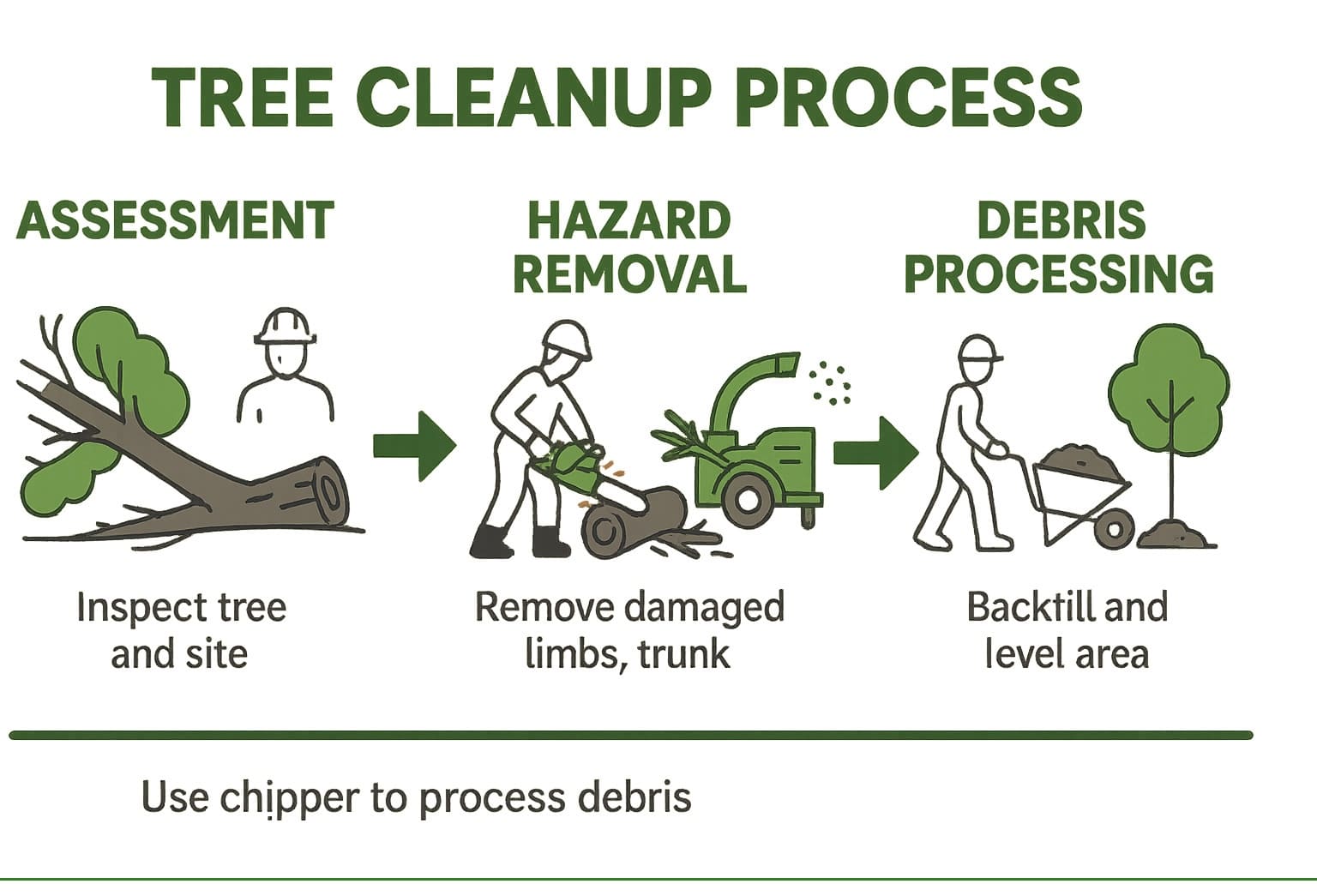
There are plenty of things to do after the tree has been removed. Typically, stumps are left after removal. You can use specialized machines to remove them by chipping and grinding the wood until it’s on level ground.
Chemical treatments can speed up decomposition by about 25% and kill the root system to prevent regrowth. You can also choose to let nature take its course. The rate at which a tree stump degrades depends on its size, species, date it was cut down, sun exposure, drainage and soil properties. Methods to speed up the natural process include aerating the soil, cutting the stump as low as possible and increasing soil moisture.
Each method has its own time frame and impact on the area. Your choice depends on whether you want to reclaim the space immediately or if you’re fine with having a tree stump for a while.
Remove wood chips and roots before replanting to improve soil quality and prepare the spot for new plants. Any leftover roots can affect the growth of new plants or trees. Be sure to also address potential drainage and soil stability issues.
Preventing Future Issues
To avoid future issues after removing a dead tree, always maintain your current trees’ health. Periodically assess them for potential problems to prevent diseases or issues from escalating. That way, you won’t have to deal with dead or dying trees. Learn more about common tree diseases and pests to understand what could be harming them. For example, sudden oak death disease has affected millions of California and Oregon trees, as well as other plant species.
Make sure to choose trees that best fit your local environment. Consider root structures and growth habits to create a sustainable landscape and minimize the risk of structural issues. Disease-resistant and drought-tolerant species are good options for easy maintenance and care.
Environmental Considerations of Tree Removal
Removing a dead tree from your property is no simple decision. It should be considered thoughtfully before committing to a single path. Dead trees can be hazardous and a nuisance, but they also play a significant part in the ecosystem. They are habitats and food for a variety of species of birds, insects and small mammals.
In Pennsylvania, hollows in both living and dead trees are used by 35 bird species and 20 mammals. This includes wood ducks, barn owls, woodpeckers, bluebirds and vultures, as well as silver-haired bats, squirrels, opossums and porcupines. Lack of habitats for these creatures can have profound negative consequences for ecosystems. For example, insectivore, cave-nesting birds help prevent insect outbreaks in forests. A single change to this delicate balance can have profound environmental consequences.
Decaying dead trees also provide essential nutrients that improve the health of surrounding plants and soil structure. Leaving some decaying wood in a safe place can enhance the ecological health of surrounding plants. Balancing safety and maintaining biodiversity is essential for responsible tree management. Understanding the pros and cons of cutting down your particular tree is a good starting point.
Securing Your Home’s Future
Removing dead trees is a crucial step in ensuring your home’s safety. You can also save money by avoiding roof and car damage caused by fallen branches. Remember that removal gives you the chance to bring new life to the area by replanting a tree in the same spot to bring shade and beauty to your home.
Renting a Dumpster for Tree Removal Cleanup
Removing a dead tree often leaves behind a surprising amount of debris. Large branches, logs, brush, leaves, and wood chips can quickly overwhelm regular curbside yard waste collection.
A roll-off dumpster provides one convenient place to dispose of tree debris during the project. Whether you’re removing a small tree yourself or hiring a professional tree service, having a dumpster on-site keeps your property organized and reduces cleanup time. Many homeowners also use the opportunity to clear out additional yard waste, fencing, landscaping materials, or other outdoor debris at the same time.