
What Are the Most Overlooked Factors Affecting HVAC Performance and Energy Bills?
It’s a common misconception that you can only choose between excellent HVAC performance
and reasonable energy bills. The truth is that you can get the best of both worlds if you properly
maintain and manage your HVAC systems. Recognizing the most overlooked factors can give
you an edge on what you should work on.

1. Ductwork Design
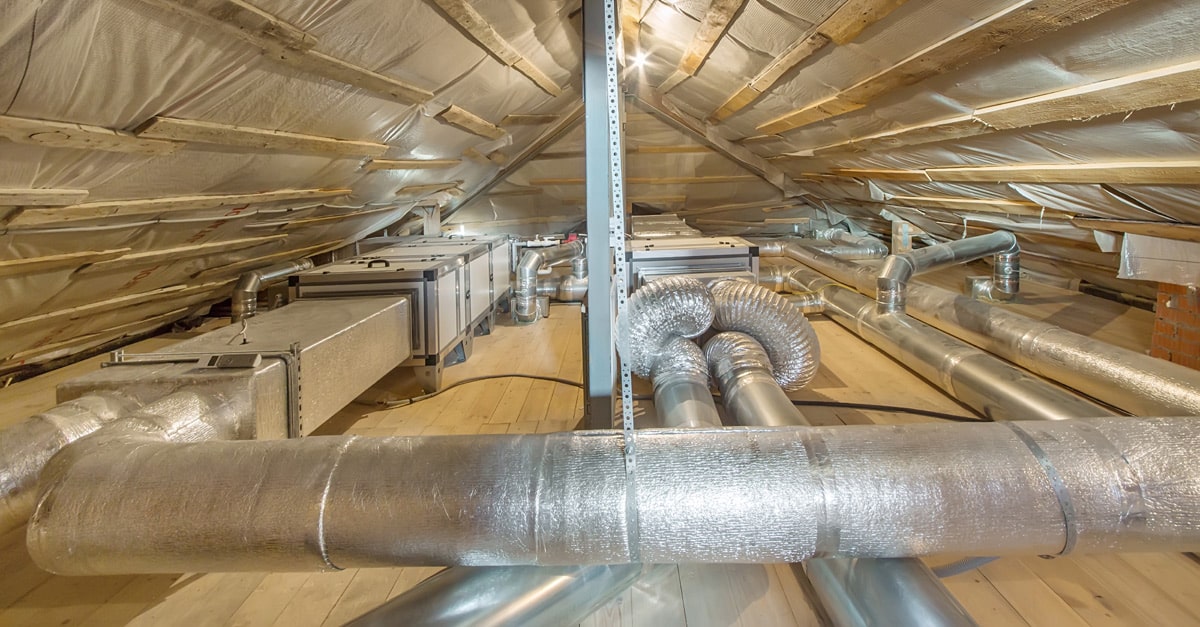
Ductwork distributes heated or cooled air and should fit your home’s size and layout. Going
against that can create inefficient pathways that make HVAC systems work twice as hard to
pump out air.
You also have to be wary about leaky ducts. Even just one small, poorly sealed connection can
affect air circulation and cause air loss, essentially wasting energy. It can be hard to visually
identify it, especially with ductwork hidden within the ceilings, walls and floors.
However, if you do have a hunch, conduct a duct leakage test. This entails closing and testing
different vents to monitor their air pressure. You can also create a DIY test by blocking an open
vent with sheeting, leaving a small opening at the bottom. Use an incense stick or a smoke
pencil to see if air is being pulled into the suspected duct.
Sealing leaks is relatively straightforward, and there are all kinds of sealants available. Ideally,
once you’ve patched the first one, the ductwork should be smoothly distributing air. However, if
there are still inefficiencies, you may have to deal with another leaky duct.

2. Filter Cleanliness
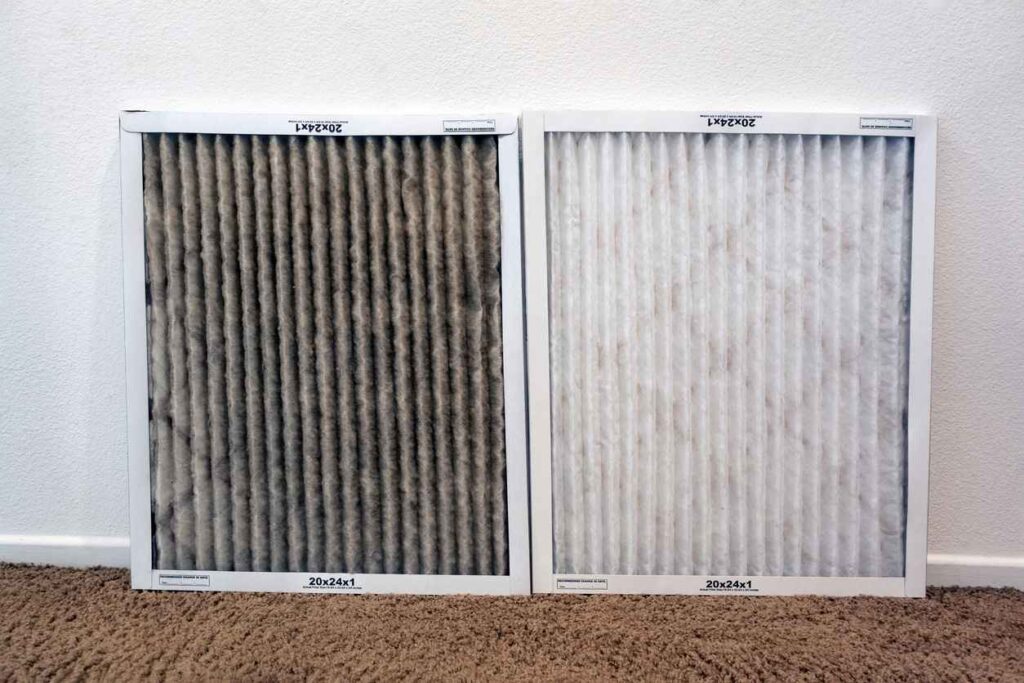
Air filters improve indoor air quality while maintaining unit performance. HEPA filters can
eliminate at least 99.97% of dust, bacteria, pollens and other airborne particles. However, even
these are prone to getting clogged.
Dirty filters make any appliance work harder to produce and circulate air, as the airflow is
impeded. In the worst case, the unit could overheat and break down. Alleviate strain on your
HVAC system by cleaning the filter regularly.
Filter cleanliness is especially important if you live with pets or in an area with high levels of
pollutants. Air filtration needs to be pristine to avoid triggering allergic reactions or mold growth.
Keep in mind that you should also replace the filters to ensure optimal airflow. If you have lower-
quality filters, consider upgrading to HEPA ones to improve their filtration efficiency.

3. Thermostat Technology
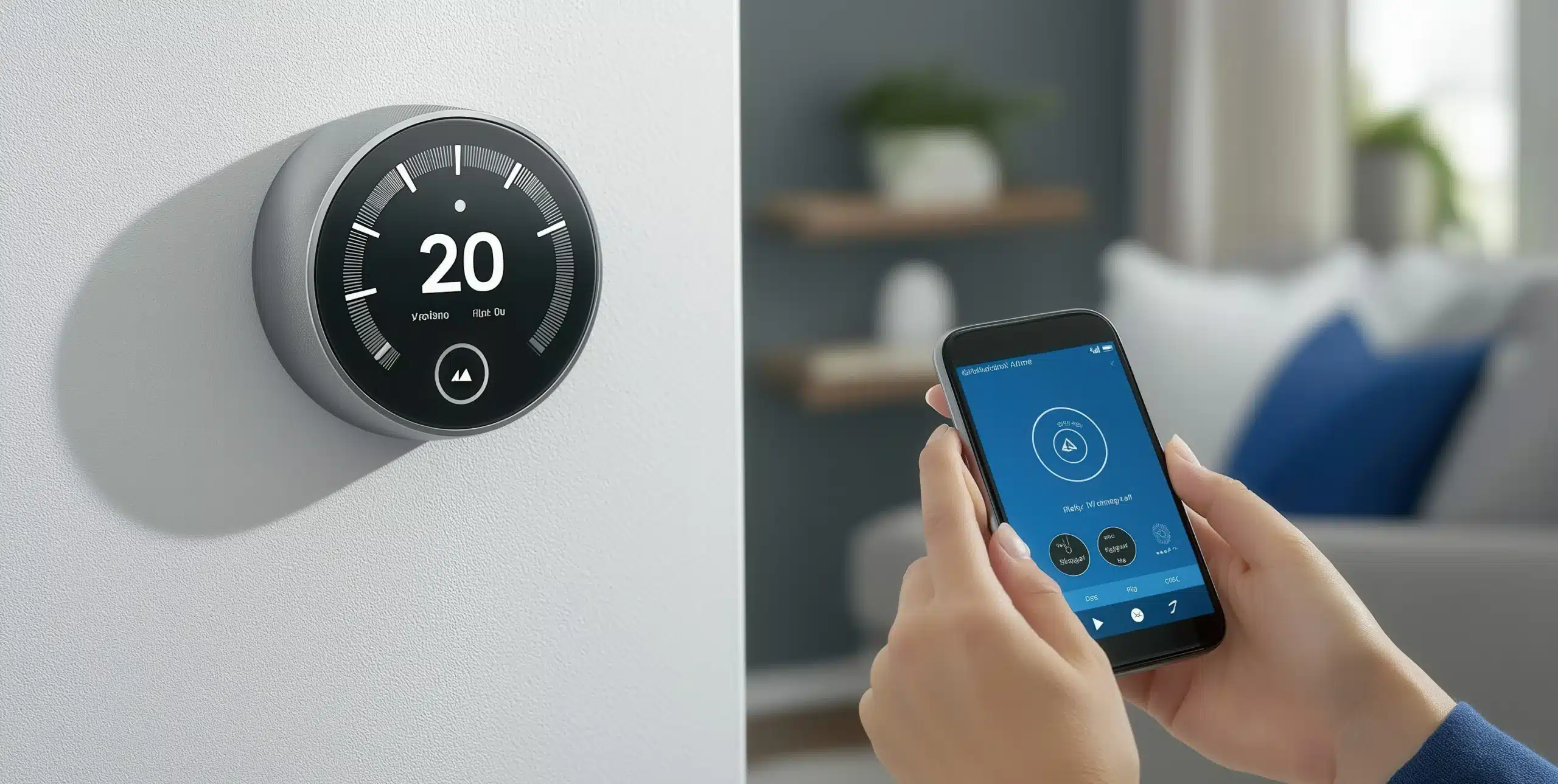
HVAC systems rely heavily on thermostats, which set the desired temperature and thereby
affect energy use. Unfortunately, households with outdated thermostat systems have to rely on
manual adjustments, which can be less efficient for managing temperature. There’s also the risk
of wiring installation mistakes or deficiencies, which can affect performance or damage.
Thankfully, there are a variety of technological advancements that can help you be more
accurate in your temperature settings. Digital thermostats are popular because they use
electronic sensors to measure and set the temperature and provide more accurate readings of
the home’s heating and cooling levels. You can also explore more unique options, such as fan
control.
Smart thermostat technology is also on the rise. While it can cost anywhere from $50 to $300, it
offers good value because it connects to the internet. This capability opens the door to even
newer features, like setting preferences for different times of day and automatically adjusting at
those times.
To lower your utility bill, you can also consider smart thermostats that offer eco-friendly modes,
such as shutting off the HVAC system at specific times to save energy. Aside from saving
money, you’d be conserving your HVAC’s performance.

4. HVAC Installation
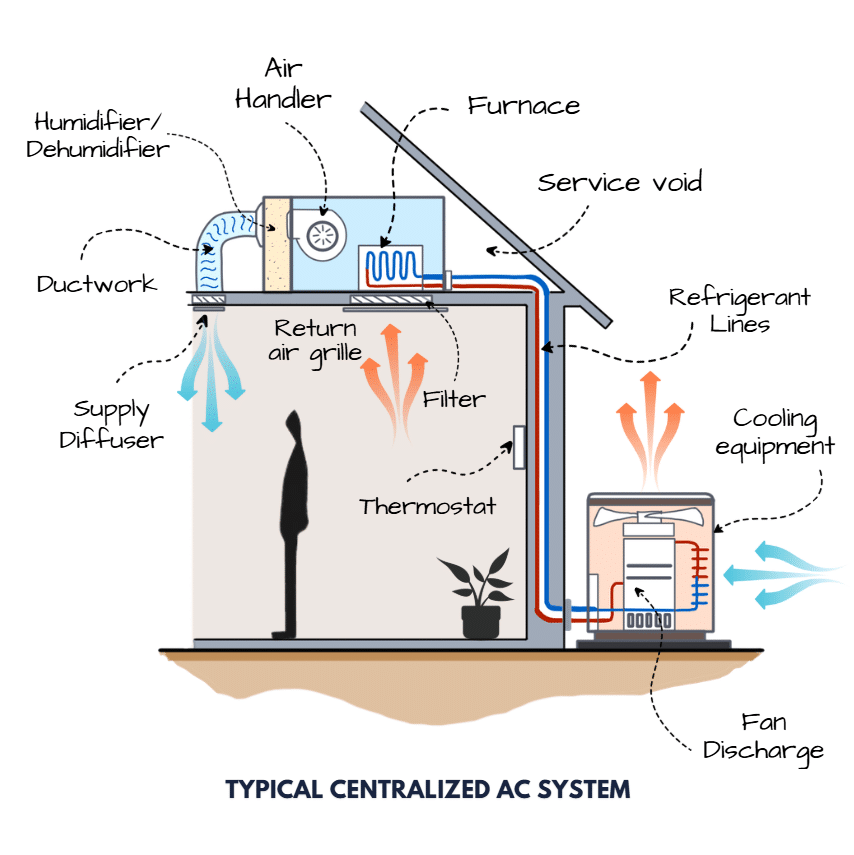
Having an HVAC system in your home contributes to your home’s comfort, but mistakes in
design and installation can undermine it. You also risk using unnecessary energy for little
payback. It’s important to consider how these components are installed unit by unit, as a
mistake can cause problems for the entire system.
It’s also key to install the right-sized system. An HVAC system that’s too large can leave rooms
too damp and uncomfortable, while one that”s too small can keep temperatures unstable.
Assess the dimensions of your household to figure out how big and powerful your HVAC system
actually needs to be before jumping into installation.
You also want to integrate better zoning, especially if you have a larger home or you’re not
necessarily seeking to centralize your whole house. The goal is to heat or cool a specific area
as needed without altering the temperature in other rooms.
Ductwork and thermostat systems can help with zoning, but it ultimately depends on how they
are installed. When placed correctly, you essentially have multiple HVAC systems.
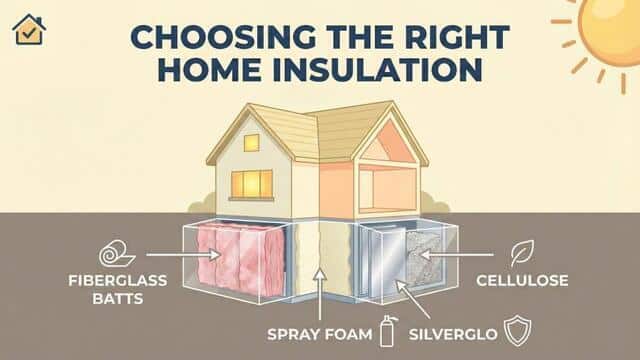
5. Home Insulation
Insulation issues can also contribute to high energy bills. The primary purpose of these
materials is to prevent warm or cool air from leaking out and to keep outdoor air from seeping in.
These repercussions require the HVAC unit to boost its production and filtration, which
consumes more power than you’d like.
The first step is to assess the current materials in your home and identify potential
improvements. For instance, doors, roofing and window casings should feature natural
insulators to help with thermal control from the get-go.
Hemp and cork are ideal because of their sustainability. These materials are also a derivative of
wood, which offers superior thermal efficiency for regulating temperatures and boosting energy
savings.
From there, you can reinforce the material with weather stripping, which keeps the house much
more airtight. These are easy to apply yourself, especially with the right supplies. Door sweeps
and felt are popular options, but if you need more flexible options, caulking and spray foam get
the job done.

6. HVAC Maintenance
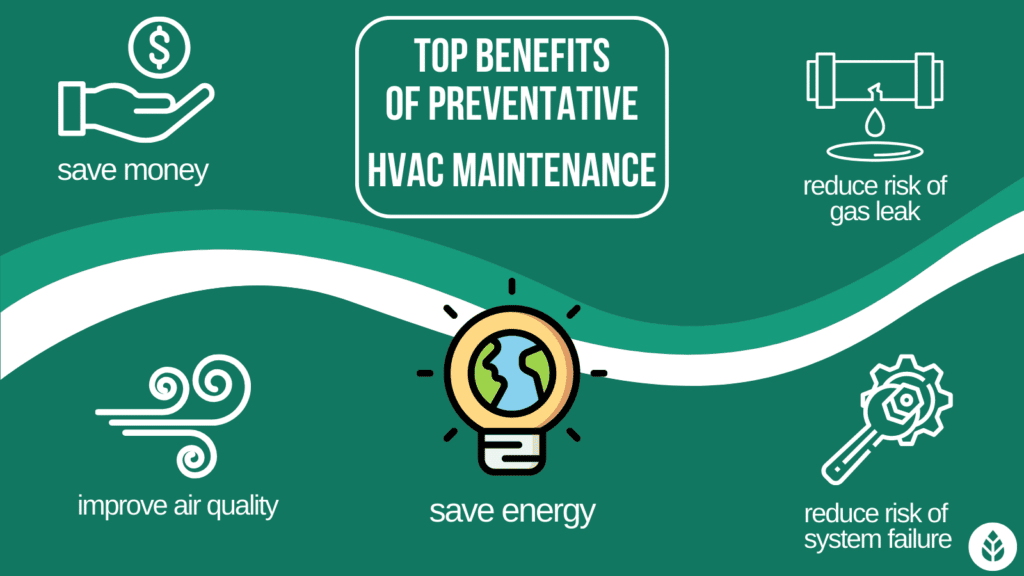
Even with proper HVAC installation and insulation, a lack of cleaning and maintenance can
significantly slow system performance. A study found that HVAC systems that received cleaning
intervention saved up to 60% on conveyance energy while producing substantially more airflow
compared to their uncleaned counterparts.
Filter cleanliness is just one of many techniques that can improve efficiency. Maintenance also
needs to include cleaning the evaporator and condenser coils, clearing drain lines and
lubricating parts such as the blower motor and fan.
You should also check refrigerant levels and electrical connections to ensure all units remain
cooled and powered together. It’s especially important ahead of more extreme seasons like
summer and winter, when a substandard or faulty HVAC system can mean more than just
discomfort.
You should also schedule regular maintenance to identify and address HVAC issues before
they become serious. Just because your energy bills seem normal doesn’t mean that there
aren’t growing problems in the HVAC system.

7. Heating and Cooling Habits
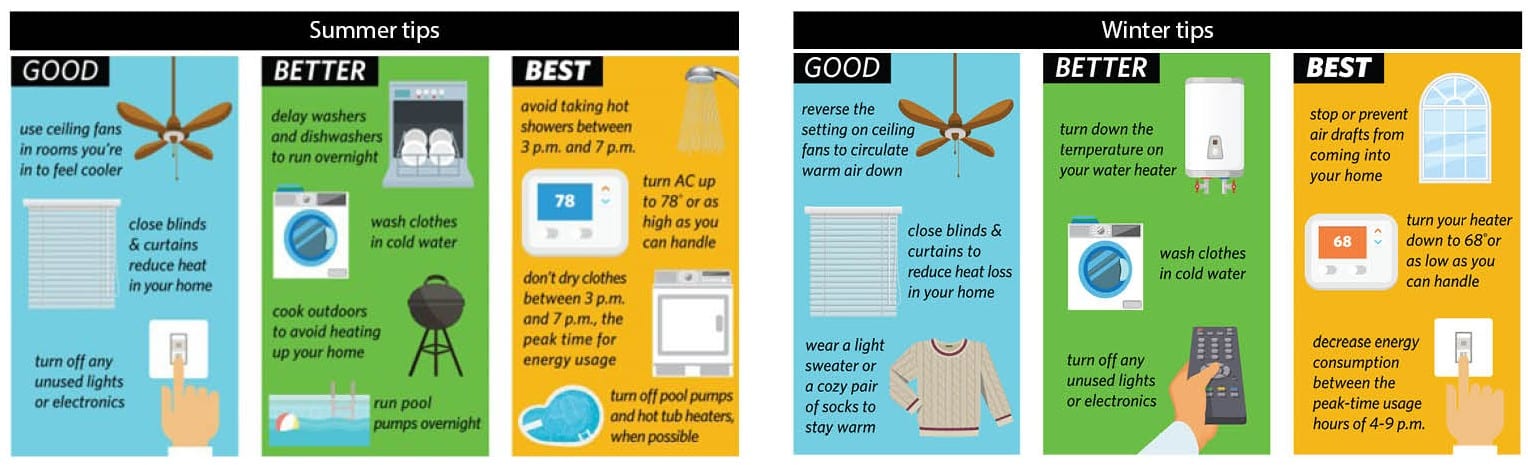
How you use your HVAC system can also affect your energy bill. For instance, using fans and
vents instead of air conditioning units to cool the home can make a big difference in the long
run. Remember to close these appliances in one room if you’re moving to a different space to
conserve electricity.
You can also explore other ways to cool down or warm up. For example, taking a shower with
your desired water temperature can make you feel much more comfortable. Wear clothes that
would help you feel as breezy or as cozy as needed.
If you do need to turn on your heating and cooling units, be mindful of the temperature. Turning
the thermostat back by at least 7° Fahrenheit for eight hours a day can save up to 10% a year.
Remember to take advantage of any smart thermostat features that you have. You can turn off
an HVAC appliance earlier than intended and focus on the residual cold or heat, provided the
insulation stops any leaks.

8. Equipment Age
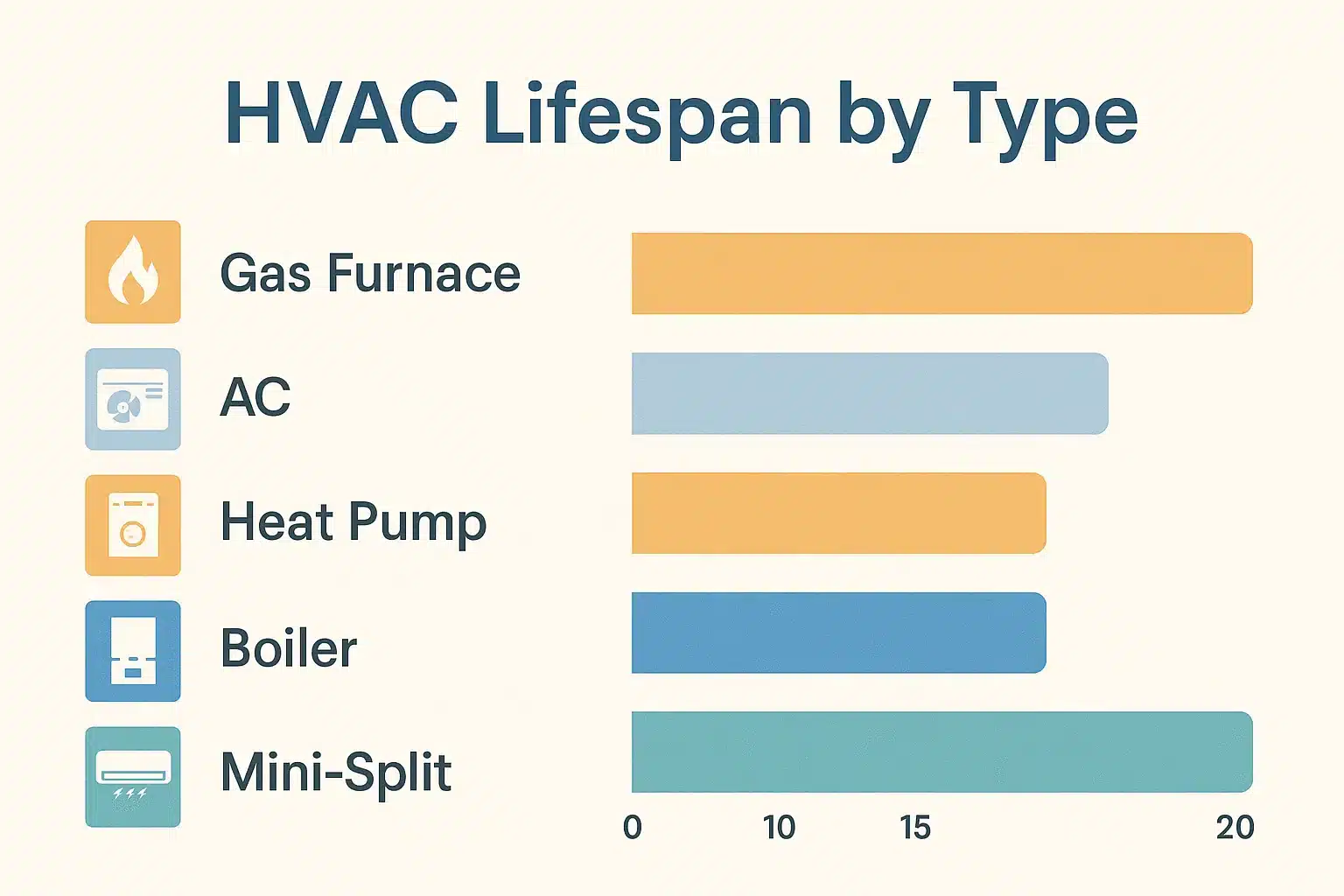
Another underrated factor that affects energy efficiency and performance is equipment age.
These systems provide prime temperature regulation when first installed, but wear and tear over
the years can really make it less consistent and consume more energy.
Good habits, maintenance and certain upgrades like the thermostat can help lengthen the
lifespan and improve performance. However, there comes a time when you have to recognize
that these units are doing more harm than good to your energy bills and household comfort.
Besides, using newer HVAC technology offers advantages, such as smart features and more
advanced filtration systems. Newer models also focus more on reducing energy consumption
while enhancing comfort.
What You Can and Can’t Control About Your Energy Bill
Homeowners deserve a comfortable home, but it can come at a price these days. The average
electric bill is $153.44, based on a typical monthly energy usage of 863 kWh and the average
electricity rate of 17.78 cents per kWh from November 2025.
Each household can experience a higher or lower energy bill depending on usage and factors
such as ductwork, filters, and thermostats. Understanding these can help reduce power use and
improve HVAC efficiency.
However, keep in mind that several factors are out of your control. For instance, global energy
demand has increased by 2.2% and the power supply is slow when it comes to expanding and
distributing electricity. As a result, it’s best to focus on the components in your home that
actually affect energy consumption and efficiency.
Get a Clear Picture of Your HVAC System
Knowing which elements actually affect your HVAC units’ performance and energy use can help
you keep them efficient without incurring unnecessary costs. Adopt new techniques like
insulation, maintenance and management to achieve those goals.