
Spring 2026 Home Maintenance Guide: Quick Wins and Big Projects Worth Tackling Now
When the spring sunshine hits, you may suddenly see everything from the pollen on the windows to a roof stain and a wobbly deck board. Discover simple ways to knock out home maintenance wins fast and plan the bigger projects that protect your home’s value.
Your Spring 2026 Home Maintenance Game Plan
Transform a vague idea of complete spring cleaning into an actionable checklist that you can actually finish. Start with a walk around outside and a notebook or digital notes app to look for changes since fall and winter. This may include stains, cracks, sags and water-pooling.
Start by observing the roofline. From the driveway or yard, scan the shingles for missing tabs and lifted corners. Then, look at gutters and downspouts. See if anything is pulling away and check where the downspouts dump water. Ensure runoff moves away from the house.
Next, examine the walls. You’re trying to find peeling paint, soft wood and gaps around trim. Tapping the siding is a quick way to uncover moisture issues as spring weather arrives. Finish your observations at ground level. Walk the foundation line and look for soil that slopes toward the house and puddle marks. Check exterior hose bibs, too. If you see dripping, add it to the list.
Inside the house, do one lap. Check ceilings under bathrooms, attic access, damp smells and new discoloration. Stop here and make sure you’ve written everything down. Think of it like building a maintenance map.
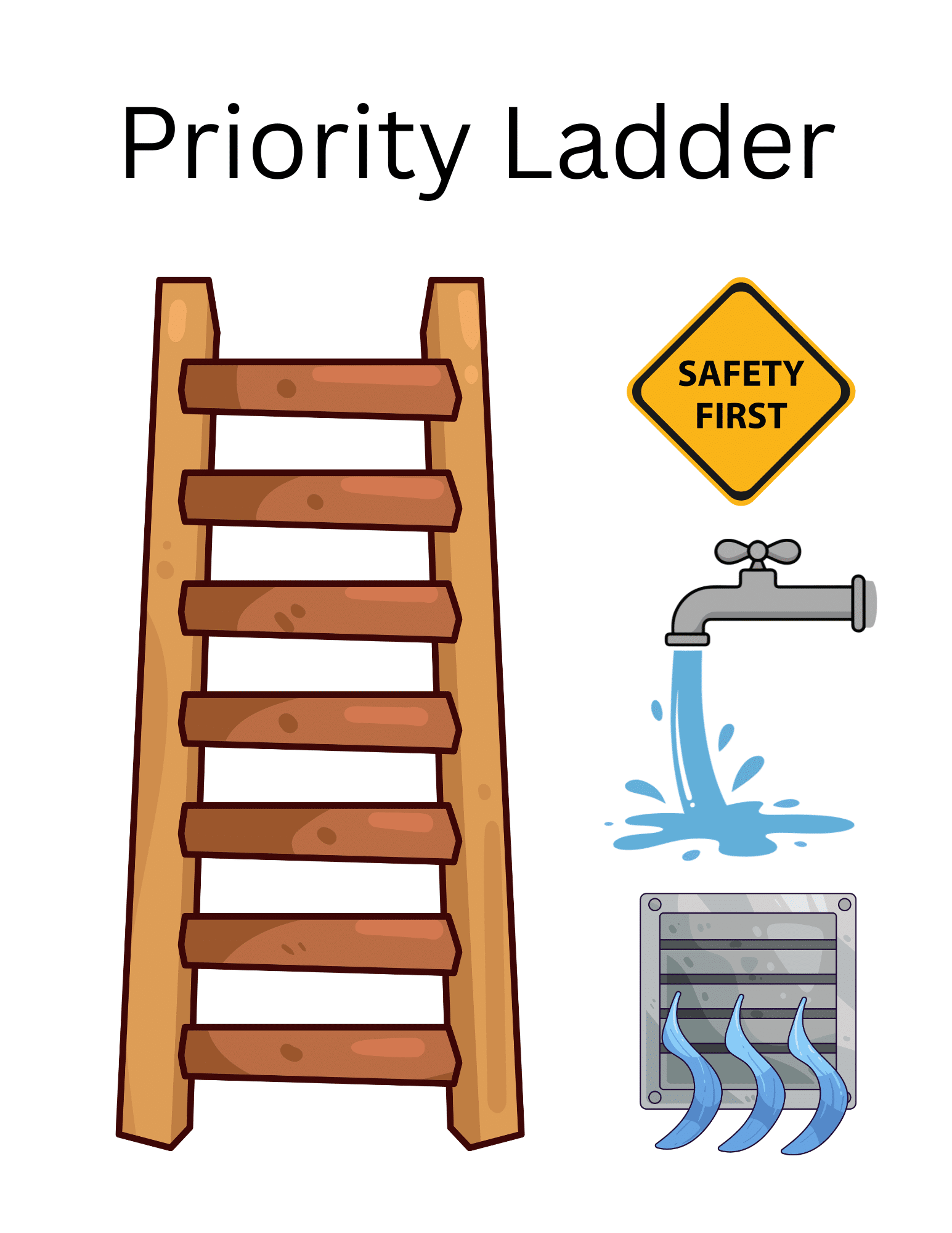
A Simple Priority Ladder
Once you’ve gathered your notes, categorize the tasks by priority level. The three main areas to focus on are:
- Safety goes first because it can ruin a day fast. Think smoke detectors, carbon monoxide alarms, handrails, loose steps and garage door sensors.
- Water comes next because it gets expensive quickly. A tiny drip becomes soft drywall, a small roof issue becomes insulation damage and a clogged gutter can lead to foundation drainage problems.
- Airflow impacts comfort and helps protect equipment, such as filters, vents, bathroom fans and dryer exhausts. If airflow is blocked, you get higher bills and more wear on the systems you rely on all summer.
When you sort your notes, label each item as S, W or A. If a task touches two areas, bump it up the list. For example, the roof and gutters are usually S and W, and the dryer vent is S and A.
Home Maintenance Tools to Gather
To complete DIY maintenance tasks, you’ll need tools that match the tasks at hand. This may include a:
- Flashlight
- Pair of work gloves
- Stiff brush
- Caulk gun
- Exterior-rated caulk
- Putty knife
- Small ladder
- Garden hose
- Pack of batteries
- Moisture meter
Before you start any maintenance or repair job, plan how you will clean up. A five-minute cleanup plan can save you time and help you use water efficiently. In some areas, approximately 50% of water use is dedicated to maintaining outdoor areas.
Spring Maintenance Weekend Wins
These tasks give you visible progress and fewer surprises later. Most can fit into a single day.
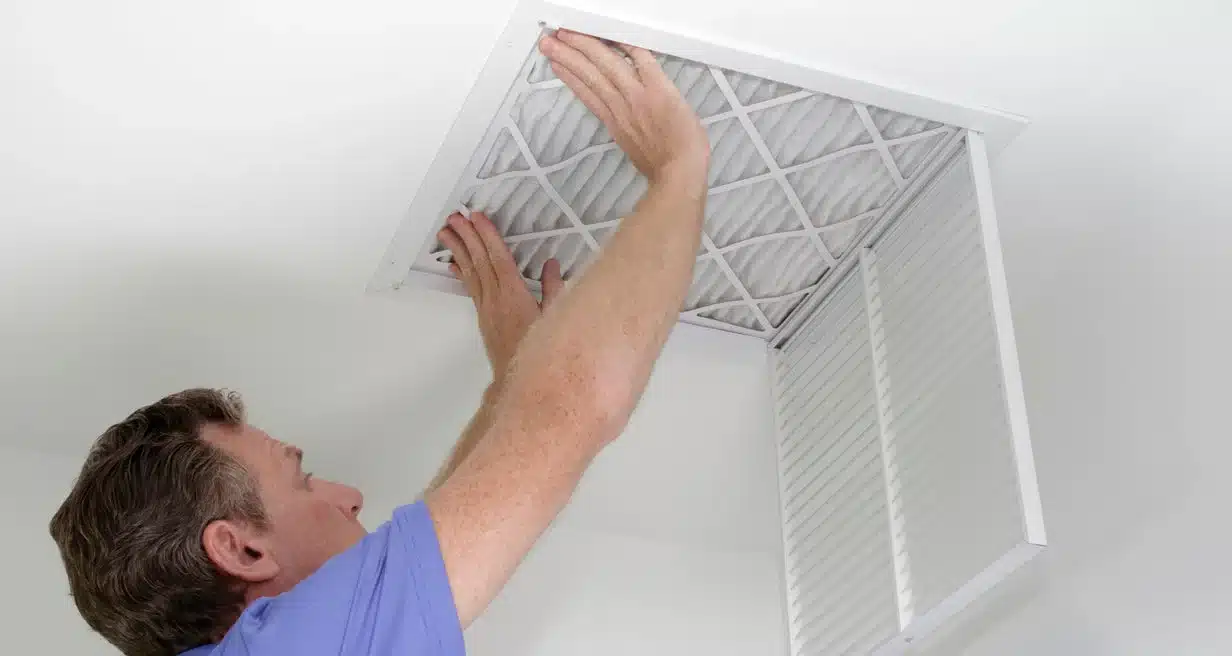
Swap HVAC Filters and Clean Vents
This fix is simple and pays off quickly. Check the filter size on the frame, buy that size and slide the new one in with the airflow arrow pointing the right way. If you have allergies, you will feel this upgrade.
Walk room to room, making sure supply vents are open and vacuum dust off returns. If you have floor registers, lift them and clean out the lint and grit. If your system has been running harder than usual, add a reminder to check the filter again in 30 days. Spring pollen loads filter fast.

Test Smoke and CO Detectors, Then Check Extinguishers
Pick one day to press the test button on every alarm in the house. Replace batteries as needed. If an alarm chirps after the new battery, replace the unit. Many alarms have a replacement timeline on the back.
If you have an attached garage or gas appliances, checking carbon monoxide alarms is an extremely important step. According to the CDC, each year over 400 Americans die from unintentional CO poisoning not linked to fires and more than 100,000 visit an emergency department.
Once your alarms are working properly, you should check fire extinguishers. Make sure the pin is in place. The gauge should sit in the green. Put one where you can easily reach it, such as in the kitchen, garage or the laundry room.
Clean Dryer Vents and Behind the Dryer
Dryers create lint, which loves heat. That combination can become risky. The U.S. Fire Administration reports that failure to clean was the leading factor contributing to clothes dryer fires in residential buildings.
Pull the dryer out and unplug it. If it is gas-powered, shut the gas off and move slowly. Vacuum behind the dryer and disconnect the vent hose. Clean out lint from both ends, and if the hose is crushed, replace it. A smooth metal vent line tends to perform better than flimsy foil styles.
Go outside next and find the vent hood. Clear lint and check the flap. It should open easily when the dryer runs. If the flap sticks, fix it right away. When you put everything back together, keep the hose path as straight as possible. Less bending means better airflow.
Knock Out Drafts With Weatherstripping and Door Sweeps
You should seal gaps before the first hot spell. Check exterior doors first. Close the door and check for daylight. If you can see light, then you can also see air moving. Add a door sweep or replace worn weatherstripping. For many doors, it’s a peel-and-stick job. Slow down and clean the surface first so you know it’ll hold well past winter.
Next, check the windows. Run your hand around frames on a breezy day. If you feel air, you can often fix it with simple foam or new seals. If a window is hard to lock, that can point to a leak. A locked window seals better. Even doing one door and two windows can make the entire house feel steadier. You’ll also notice fewer drafts and less dust.

Big Projects Worth Tackling Now
These projects take a little more planning, but they also protect the big money parts of your home.
Roof Check and Minor Repairs
A spring roof check is about catching small problems while they are still minor. This is critical because neglecting your roof might cost you thousands of dollars in repairs down the line. Start from the ground and seek out missing shingles, lifted edges and cracked flashing around chimneys and vents. Also, look for granules collecting in gutters, which can signal wear.
Inside the house, scan attic spaces or top floor ceilings. You’re looking for stains, soft spots and damp insulation. Any sign of moisture deserves a closer look as roof leaks rarely stay small. If you see damage, decide quickly whether to call a pro. Anything that involves getting onto a steep roof can become a safety issue. If you do climb, use stable ladders and work in dry conditions to stay safe.
Full Gutter Cleaning and Drainage Fixes
Gutters are easy to ignore when they’re working correctly, but their failure becomes an immediate problem. This spring, clean them out fully and then run a hose through each downspout. Watch where the water goes. If it dumps right at the foundation, add an extension. If water spills over the gutter edge, check for clogs and slope issues.
Try to find sagging sections, which can indicate loose hangers or hidden debris weight. Tighten fasteners, replace damaged pieces and seal small leaks at joints with gutter sealant. If gutters overflow in heavy rain, consider gutter guards. While they don’t eliminate cleaning entirely, they can help you avoid the worst clogs, which might be enough for your house and your trees.
Deck and Fence Refresh
Spring is when outdoor wood shows its real condition. Walk your deck slowly and press a screwdriver into suspicious spots and the railings. Soft wood needs attention. If anything wobbles, fix it as soon as possible to protect the structure.
Replace boards that are cracked or cupped. Reset popped nails and upgrade them to screws where it makes sense. If the deck is sound, clean it and let it dry before staining or sealing, following the product instructions and local climate. For fences, check posts first. A leaning fence often starts at the post base. Clear vegetation away from the wood, as plants hold moisture that can damage the wood.
Exterior Paint and Siding Repairs
Paint is protective, yet it can also be a significant hazard for older homes. According to the U.S. Environmental Protection Agency, an estimated 30.9 million pre-1978 houses still contain lead-based paint, which requires careful, professional handling when it chips or peels. This is why it’s important to check your exterior paint, especially on trim, window sills and fascia boards.
If your home was built before 1978, consult a certified professional before scraping. For general maintenance, probe for soft wood, patch small spots and prime bare wood. Then you can paint with an exterior-grade product, matching the sheen where you can so it doesn’t look like a patchwork quilt.
For siding, search for cracks and gaps and repair or replace damaged pieces. Seal around penetrations, such as hose bibs and exterior vents. Keep caulk lines neat and small because overcaulking can look sloppy and fail faster. Bubbling paint anywhere can signal trapped moisture, so take time to find these sources before you repaint to avoid having to restart.

When to Call a Pro
Some issues require an expert and some homeowners need that peace of mind. Here are common concerns and the professionals to contact:
- Active leaks, sagging areas, missing flashing and daylight in the attic are all roof red flags.
- Flickering lights, hot outlets, frequent breaker trips and buzzing sounds are all signs to call an electrician.
- Stair step cracks, cracks wider than a coin edge and doors that suddenly stick are a signal that you need a foundation expert.
- A persistent musty smell, visible mold growth and recurring damp spots indicate you need to call in a professional mold specialist.
- Ice on lines, weak airflow, short cycling, burning smells and loud new noises all point to a need for an HVAC professional.
- Gutters pulling away, water pouring over the edges during light rain and downspouts that back up might mean you need a roofing specialist to check out your gutters.
- Gas smell, soot, pilot problems and headaches that appear indoors but vanish outside are all signs that you need a professional gas appliance technician to check your gas appliances.
Spring into Action
To tackle spring home maintenance, you should focus on a couple of quick wins, a few bigger projects on the calendar and a simple way to spot what’s urgent before it turns into a huge issue. Handle the safety measures first and then pick projects that make the home feel better day to day.