

Sell It Fast, Sell It High: Your 2-Week Whole-Home Decluttering Timeline
Buyers often form an opinion within the first few seconds of seeing a potential home. Clutter makes rooms look smaller and darker. Removing your personal items helps create the illusion of more square footage. Plus, a well-maintained, decluttered house reflects a property that’s been cared for, justifying a higher offer price. Leave a positive impression and sell the feeling that buyers could live in your property immediately with this 2-week decluttering game plan.

Week 1 — The Great Purge
The goal is to help buyers mentally “move in,” and they can’t do that if the space is filled with your personal life. Decluttering paves the way for staging, which 83% of real estate agents confirm as a great strategy in helping buyers picture the place as their future home. Spend the first week of your process removing nonessential items and furnishings from rooms. Here’s a day-to-day guide to help you manage the massive undertaking.
Days 1 to 2 — The Bedrooms and Closets
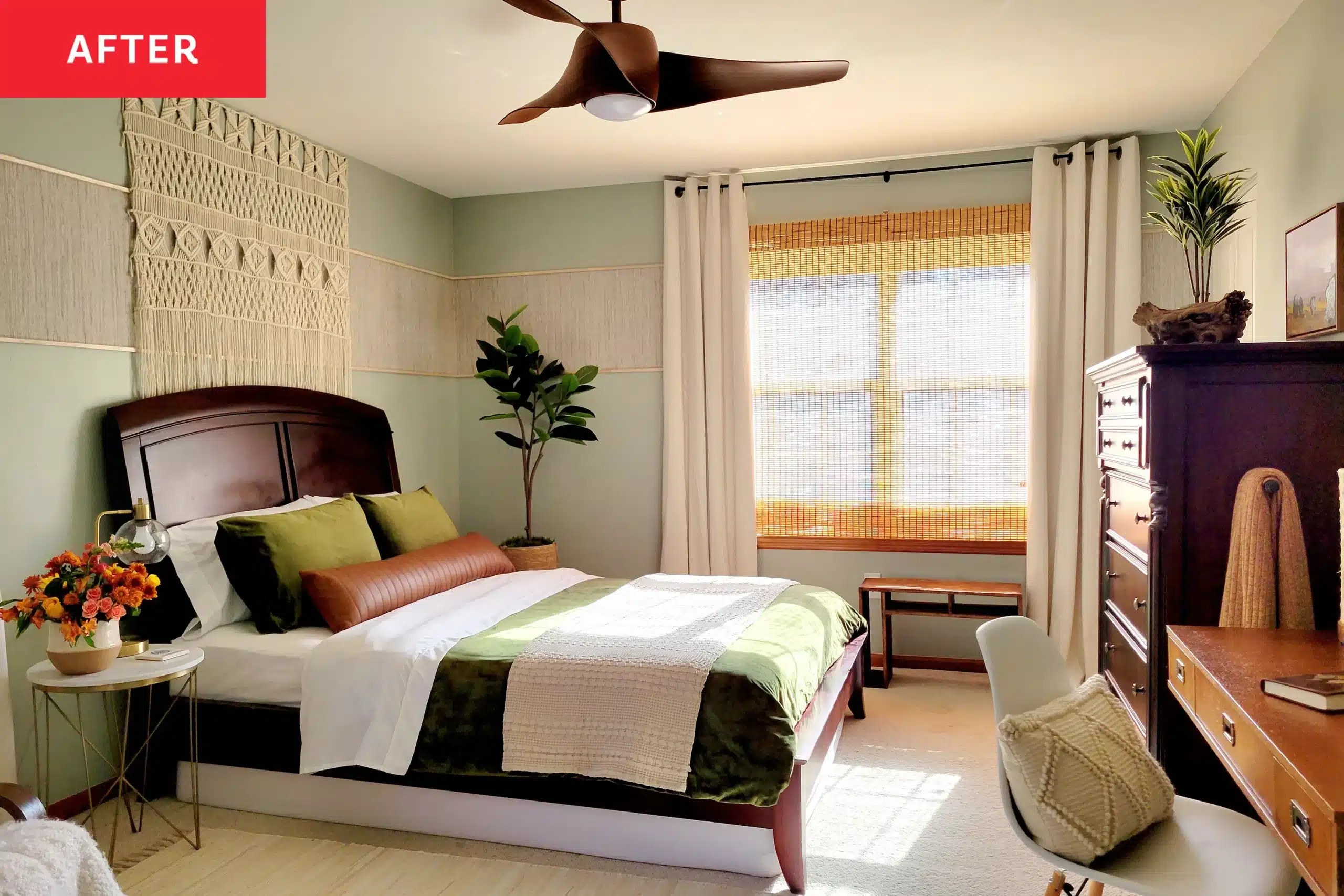
Your bedroom is your personal sanctuary, but it will eventually become the new buyer’s space. To turn them into neutral, restful spaces that appeal to all buyers, start by decluttering closets.
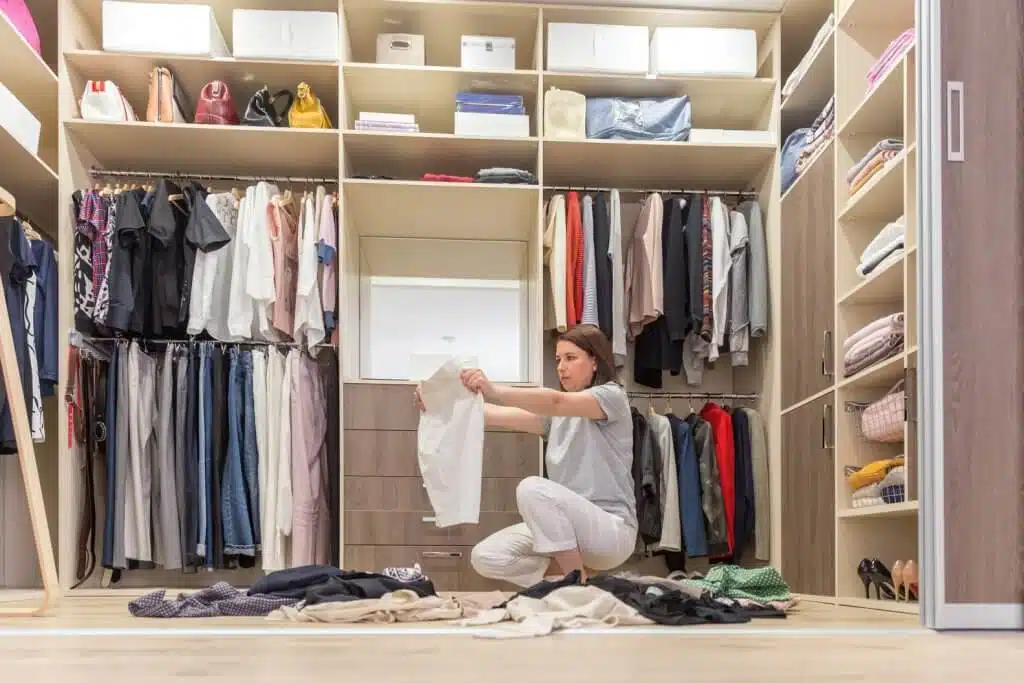
Empty the closets to see the space you’re working with. Pack away all off-season clothing and anything you haven’t worn in the last year — be ruthless. Aim to fill closets to no more than 70% to create a feeling of spaciousness. Hang the remaining clothes on matching hangers, all facing the same direction, and organize them by type and color for a high-end boutique feel.
After your closet is clean, assess every piece of furniture. Remove anything that makes the room feel cramped, whether that’s a second dresser or an oversized armchair. Clear surfaces, and leave no more than three decorative items — like a lamp, a book and a small plant — on some of them.
Days 3 to 4 — The Bathrooms and Linen Closets
Aim for a spa-like atmosphere that feels clean and hygienic. Remove everything from the countertops. You’ll also want to clear the shower and tub of all shampoo bottles, loofahs, soap bars and other products to make the space more neutral and spacious.
Since you’re still living in the space, you can keep daily-use items like toothbrushes and razors in storage for easy access after the showing. Be sure to remove personal items from the bathrooms, like expired medications from the medicine cabinet, and hide all prescriptions for safety and privacy.
Potential buyers will likely want to see everything, including the linen closets, so remove any stained, frayed or worn towels or sheets from sight. Fold all the remaining items into neat, uniform stacks. Then group sheets by size and store them in their corresponding pillowcases to keep sets together and looking tidy.
Days 5 to 6 — The Kitchen and Pantry
The kitchen should look clean and functional, so buyers can envision themselves cooking and entertaining. Clear everything except for 1-3 essential or decorative items — like a coffee maker, a knife block or a bowl of fresh fruit — from the kitchen counters.
During this deep clean, go through every cabinet and drawer in the heart of your home. Get rid of chipped dishes, single-use gadgets you never use and mismatched food containers. Staging the area can mean neatly stacking plates and bowls and arranging glasses and mugs in rows. Use this opportunity to empty and organize the junk drawer.
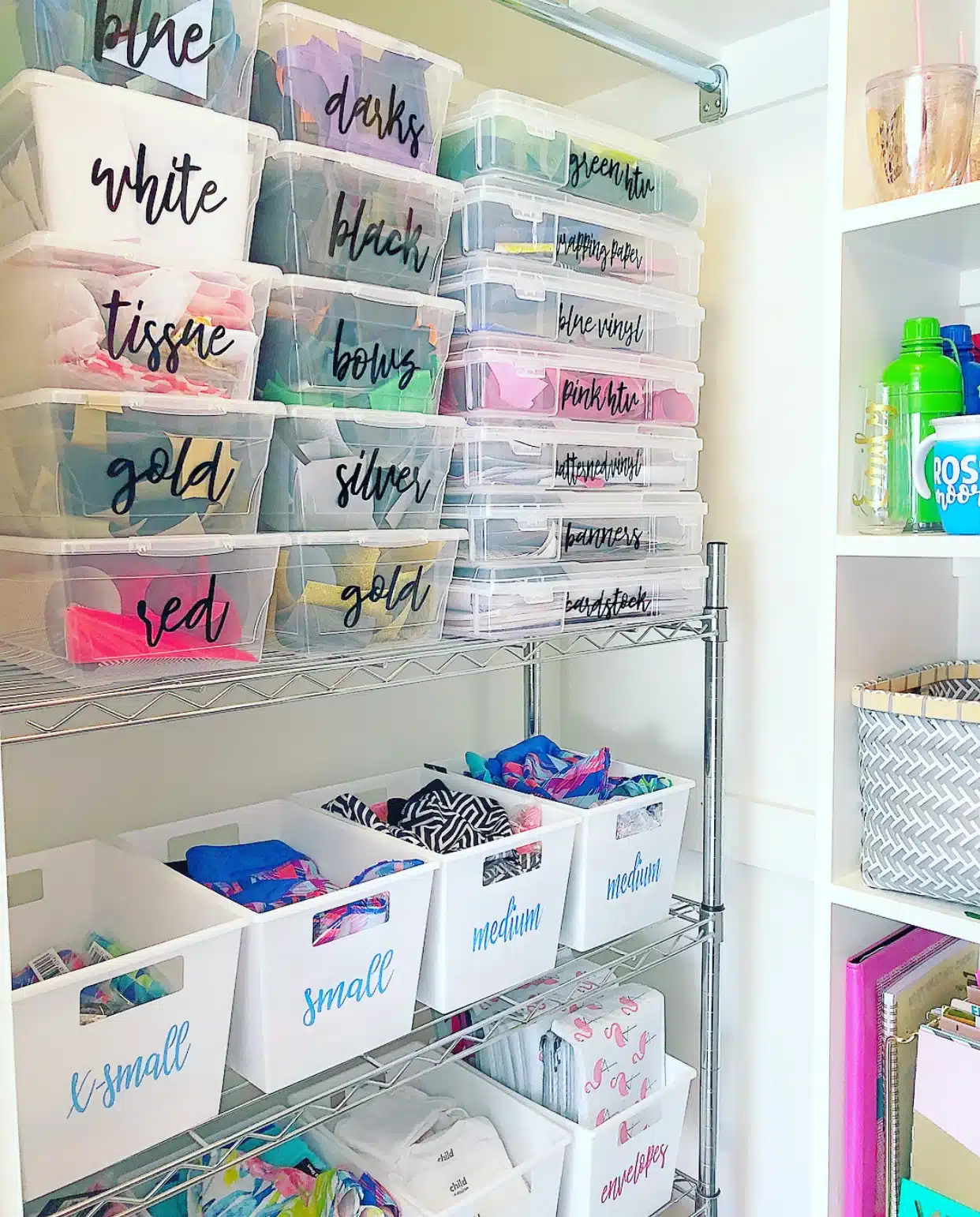
As you declutter your fridge and pantry, remove all expired food. Group the remaining items by category, such as cans, grains and snacks. Clear storage bins are a great way to make the space look clean and uniform. If you have any photos or magnets on the fridge, remove them to depersonalize it.
Day 7 — The Living and Dining Areas
Showcase your versatile spaces for relaxation and entertainment by maximizing flow. Walk through the rooms. If you have to shuffle or turn sideways to get past furniture, the space is too crowded. You need to remove some furnishings to make the layout more open and intuitive.
Remember, buyers need to see the house, not the story of who lived there. Organize the books on shelves and keep all cables bundled and hidden. Pack away family photos, trophies, diplomas, souvenirs and other distinct collections. To soften the space and add a touch of comfortable, generic style, replace any worn or highly specific throw pillows and blankets with new, neutral-colored textiles.

Week 2 — The Finishing Touches
The second week is prime for tackling the remaining indoor and outdoor spaces in your home, cleaning and completing its final staged look.
Day 8 to 9 — The Garage and Outdoor Spaces
Declutter and reclaim your garage to present its potential as a workshop, home gym and other applications to buyers. Get as much as possible off the floor using wall-mounted shelving, pegboards for tools and overhead racks for bins and bikes. Clear enough space to demonstrate that one or two cars can easily fit.
Invest in curb appeal as well. The front of your house is the first photo buyers see online and the first thing they see in person. A garage door can make or break this impression. Consider replacing yours with a new one to get as much as 93% return on your investment.
Repair any damage to your home’s facade. If you have landscaping, mow the lawn, trim overgrown shrubs, pull weeds and add a fresh layer of mulch to flower beds. Then power wash the driveway, walkways and other outdoor areas, and ensure the house numbers are clean and visible.

Day 10 to 11 — The Attic, Basement, and Storage Areas
For added intrigue, buyers should know that even the “hidden” areas are clean and ready for them, which also helps alleviate fears about foundational issues or neglect. Organize for an inspection.
Inspectors can check for red flags before home visits, such as signs of dampness, mold and pests. If you spot any, address them immediately.
Days 12 to 13 — Deep Cleaning and Repairs
These days are for making the entire house sparkling clean. Clean from top to bottom. Dust ceiling fans and light fixtures first, then vacuum the floor to clear the fallen dust and debris. Focus on often-overlooked areas, like window tracks, baseboards and trim, inside the oven and blinds.
Walk through the house and repair minor, nagging issues that can turn buyers off, like a leaky faucet or small nail holes. If there are unpleasant smells, find and eliminate the source. Deep clean carpets, wash curtains and air out the house to eliminate any lingering odors from pets, smoke or cooking.
Day 14 — Final Staging and Walk-Through
Add the final touches that make the house feel like a welcoming, move-in-ready home. Walk around the property like you’re a potential buyer, and keep an eye out for anything you need to change or remove to ensure a smooth, pleasant experience. The house is now a product ready for the market.
Smart Strategies for a Successful Declutter
Having the right mindset and methods can help you follow your timeline. Here are some tips to declutter your home for sale efficiently.
Use the Four-Box Method
Keeping a predefined designation for everything you sort can help overcome decision paralysis and maintain your momentum. Prepare four large boxes or designate four clear zones in the room for the following classifications before you start:
- Trash or recycle: Anything broken, expired, stained or worn beyond repair
- Donate: Items that you no longer need but are still in good, usable condition
- Relocate or store: Essential items that you need to keep out of sight to create a neutral, spacious home for buyers
- Keep: Items that will remain in the room during the sale

Know What and Where to Donate
Donating is a great way to efficiently declutter your home and contribute to the community. Research charitable initiatives in your area, determine what items they accept and sort your potential donations accordingly. Donation drives typically accept:
- Clothes
- Accessories
- Furniture
- Kitchenware
- Bedding
- Home decorations
- Books
- Electronics
Plan for Decluttering Debris
A whole-home cleanout, especially after years of living in one place, can generate significantly more trash than your weekly curbside bin can handle. Factoring in debris management from the start can help you avoid piles of junk in your yard or your garage. Toss bulky items that you can’t donate, such as:
- Old, stained mattresses
- Broken or worn-down furniture
- Threadbare carpets and rugs
- Faulty, outdated electronics
- Old paint cans, chemicals and other hazardous materials
Consider renting a small residential dumpster to save time and reduce stress. This creates a central hub for all trash, keeping your property tidy and safe during your decluttering project.

Pace Yourself to Avoid Burnout
Rooms with excessive clutter can cause cognitive overload, which can make anyone viewing or navigating them feel agitated, stressed or overwhelmed. Recognizing this decision fatigue is the first step to combating it. The emotional side is just as challenging as it can be hard to let go of items tied to memories. Give yourself grace.
Use the 20/10 rule to avoid feeling overwhelmed while you declutter. A timer for 20 minutes of focused decluttering followed by a mandatory 10-minute break can help you step away from the mess. Stretch, hydrate, listen to a song or watch a video — but don’t start another chore. The goal is to truly recharge before your next work sprint.
Setting microgoals can also help. Instead of “declutter the kitchen,” break it down into chunks like “clear the countertops” and “sort the junk drawer.” Small, specific and achievable goals provide a regular sense of accomplishment that keeps you motivated.
Frequently Asked Questions
Here are the answers to common questions about pre-sale decluttering.
Should You Hire a Professional Organizer?
Specialists provide an expert, unbiased eye when decluttering. They can help you save time, which is crucial if you’re on a tight deadline, for a fee. Weigh that cost against the potential for a faster sale and higher ROI to determine if hiring a professional organizer is your best option.
What Should You Do With Sentimental Items?
Digitize photos and documents, pass heirlooms to family members or keep a memory box or two for important keepsakes you can store offsite.
How Much Should You Depersonalize Your Home?
If an item tells a personal story, pack it away. Replace the gallery wall of family vacation photos with a single, large piece of neutral art. Pack up children’s drawings, trophies and memorabilia.
The Payoff of a Clutter-Free Home
A clean, clutter-free place looks larger, causes less stress for buyers and contributes to a higher potential price. Tackling the task with a 2-week plan makes the seemingly massive chore achievable. Transform your property into a “generic house“ so that someone else can see it as their future home. Declutter, stage and post it, and be prepared for a fast and profitable sale.
Need help with the cleanup?
Bargain Dumpster makes it easy to handle the waste from your home cleanout.
- Fast delivery
- Affordable options
- Simple scheduling