
5 Critical Areas to Check as Snow Melts Around Your Home (And What Damage You Hope to Avoid)
Spring brings longer, warmer days, a welcome change from winter’s chill. However, it can also reveal the hidden toll the cold season took on your home. The immense weight of snow and the powerful force of the freeze-thaw cycle can quietly wreak havoc on its exterior. Assess the following areas for damage and stop issues before they become expensive repairs.

1. Gutters
An average-sized roof can shed hundreds of gallons of water during a single rainstorm. The gutters help manage this deluge, but they’re often vulnerable after months of being filled with heavy, frozen debris. Look for these signs of damage when you examine them:
- Sagging or pulling away: Keep an eye out for visible gaps between the back of the gutter and the board it’s mounted to. These may indicate the hangers are failing under the weight of ice.
- Water stains and damage: Check for vertical streaks of dirt on the siding below the gutters or on the face of the drainage channels themselves, as they’re a sign of persistent overflows. Look for signs of peeling paint and soft, rotting wood as well.
- Cracks and holes: Assess the seams where the gutter sections connect for any cracks or holes. These can quickly grow, especially at these common failure points.
How to Address Gutter Problems
If you need to work on your gutters, always use a sturdy, properly positioned ladder and let a friend or family member know your plans for safety. For minor clogs you can reach, use a gutter scoop and gloved hands to remove debris. Flush the entire gutter length afterward with a garden hose to check for hidden clogs and leaks.
You can typically re-secure loose hangers with new, longer screws designed specifically for gutter mounting. If you spot small holes or cracks, patch them with gutter sealant as a temporary fix.
Call a professional if you see significant rot, the gutter itself is bent or cracked, or if the sagging is severe across a long section. Experts can re-pitch and secure the system or recommend a replacement.
Preventive Strategies for Gutter Systems
Clean your gutter system twice a year. The ideal times are in late fall, to keep it clear of fallen leaves, and early spring to remove the debris that accumulated over the snowy months. The post-winter cleaning is crucial because, when the gutters are clogged, melting snow from the roof pools, seeps into the shingles and refreezes.
Consider investing in gutter guards. While they’re not a “set it and forget it” solution, they can reduce cleaning frequency by blocking large leaves and debris.
2. The Roof
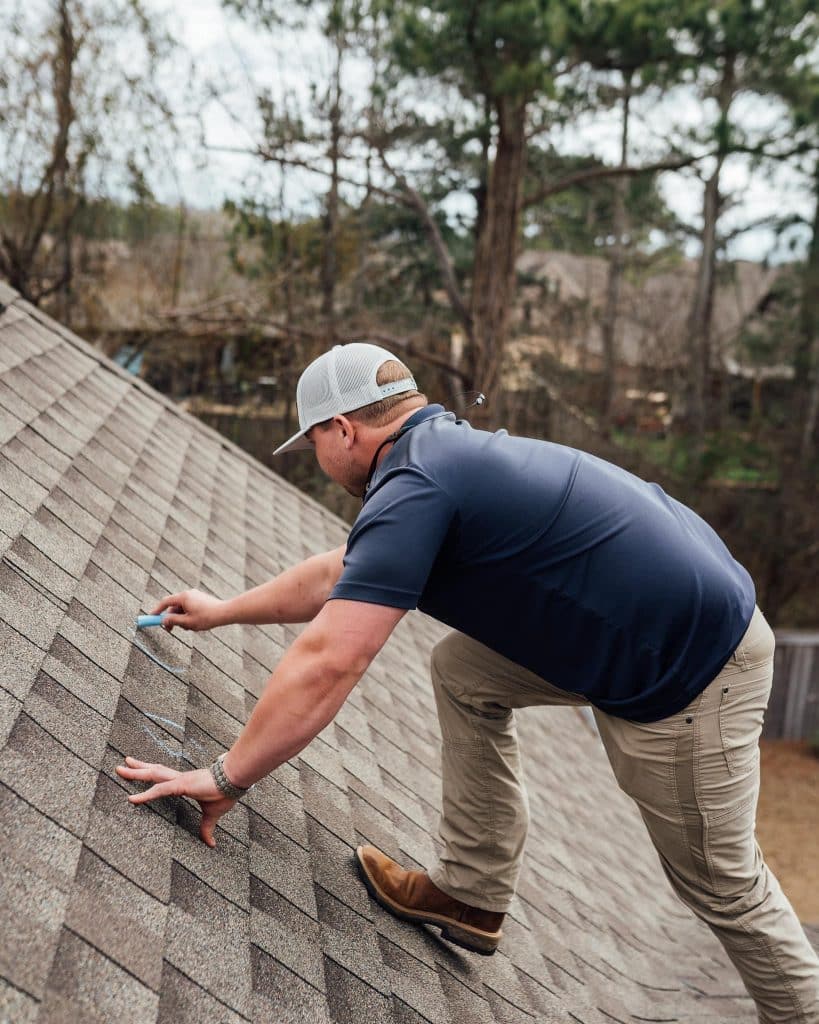
The roof is your home’s primary shield, taking the most direct impact from the elements. Damage is not always obvious from the ground, so a careful inspection is key to maintaining it. Keep an eye out for these red flags:
- Interior clues: Water stains on ceilings are the most common sign of a leak, but they can also appear in less-obvious areas, like the top of interior walls and inside cabinets.
- Signs of a leak in the attic: Check for dark stains on the roof deck’s underside, wet or compressed insulation, a musty odor, visible mold and light peeking through outside.
- Exterior signs: From the ground or a high window, scan for curled, cracked or missing shingles, nail pops, and displaced flashing around chimneys, skylights and vents.
How to Address Roof Damage
Act immediately. A small drip can saturate a large area of insulation and drywall, leading to mold and rot. Once you’ve confirmed a leak, place a bucket to catch the water and call a roofer. Before any repairs, take clear photos of the interior stains, the attic dampness and any visible damage on the roof. Document everything as proof for insurance claims.
Stay off the roof, as it can be slippery from moisture or loose granules, especially in spring. Leave the diagnosis and repair to trained and insured professionals.
Preventive Strategies for Roofs
A well-ventilated attic is crucial for a “healthy” roof. Soffit vents at the low edge of the roof act as intakes, while ridge or gable vents at the peak serve as exhausts. The constant airflow keeps the roof deck cold in winter, preventing snow from melting and forming ice dams.
Think of attic maintenance as insurance for your roof’s warranty. Neglecting it can void a coverage that usually lasts 20 to 30 years or more. To avoid that, make a professional roof inspection part of your home’s annual checkup, ideally before winter arrives.

3. The Foundation and Basement
As snow melts around your home, the ground becomes a waterlogged sponge. This saturated soil exerts immense, constant pressure on your foundation walls. Check your basement and house foundation for these signs:
- Cracks: Look for new cracks in poured concrete walls. If you have cinder block walls, check for “stair-step” cracks in the mortar joints.
- Moisture signs: Look for peeling paint or bubbling wallpaper on finished basement walls. There may also be a white, fuzzy or crystalline deposit on concrete, which is a mineral salt that water seepage leaves behind.
- Water pooling: Walk the perimeter of your home after a significant melt. Check for pools of water against the foundation, which are a sign of poor grading.
How to Address Humidity and Structural Issues
To combat dampness, use a dehumidifier. Aim for low indoor humidity, ideally between 30% and 50%, to prevent mold without over-drying the air.
Seal small, vertical hairline cracks in a poured concrete foundation with polyurethane injection kits to stop water intrusion. Leave horizontal cracks, bowing walls or large stair-step cracks to professionals, as they’re signs of significant structural problems.
Preventive Strategies for the Foundation and Basement
Master your grading. Your yard should move water away from your home, sloping down at least six inches over the first 10 feet of your foundation. If it doesn’t, you may need to bring in topsoil to build it up.
Extend your downspouts. Ensure they discharge water at least five feet away from your foundation to prevent it from immediately seeping back into the soil next to your basement. Also, maintain a clear perimeter. Keep mulch and soil in garden beds at least six inches below the top of the foundation wall to keep moisture from wicking into the siding and structure.
4. Siding, Windows and Doors
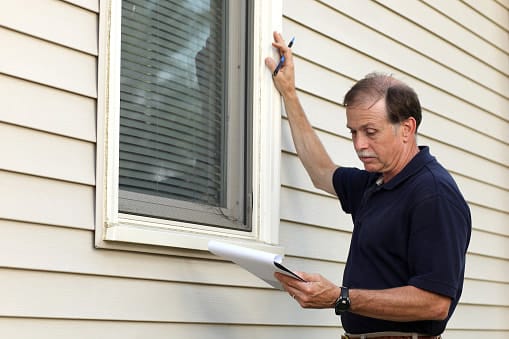
Examine your house’s “skin,” which includes its siding, windows and doors. These parts help protect your home’s underlying bones from moisture, pests and rot. Look for the signs below when you assess these surfaces, which can trap moisture after months of dealing with snow and cold weather:
- Siding damage: Check for warped or buckled panels, brittle vinyl siding, peeling or chipping paint and cracks and holes.
- Failed caulk: This looks dry, cracked and may be visibly pulling away from the surface it’s on.
- Wood rot: Gently poke corner boards, window sills, door thresholds and other wooden features. If the wood feels spongy, soft or crumbles, you may have active rot.
- Faulty windows or doors: If these are sticking, it could indicate that their frames are swollen with moisture. Check windows for fogging and condensation as well.
How to Address House Feature Problems
Gently wash siding before any repairs. Don’t use high-pressure washers, as they can push water back and cause more problems. For failed caulk, use a utility knife or caulk removal tool to create a clean, dry surface. Apply a fresh bead of caulk to seal all gaps and prevent drafts and water intrusion.
Wood rot is best left to professionals. They can repair it once the surface is thoroughly dry or replace the affected area if the rot is extensive. Experts can also check the sheathing underneath for damage.
Preventive Strategies for Siding, Windows and Doors
Think of sealing gaps as more than a defense against water. It is also a way to make your home more efficient. You can save an average of 15% on cooling and heating costs with proper insulation.
For trims and sidings, consider investing in a fresh, high-quality coat of exterior paint for an extra layer of protection against moisture. Repaint every five to 10 years, depending on your climate. It also pays to shovel smarter during the winter months. Keep the area around your house as clear as possible to allow it to dry out and keep moisture from seeping in.
5. Your Yard, Deck, and Hardscaping
When water in the soil freezes, it can expand with enough force to lift patios, shift fence posts and crack concrete. As the ground thaws, these structures settle back into place, but often not in their original positions. Keep an eye out for these signs:
- Deck distress: Feel for any bounce or wobble when you walk the entire deck. Check for loose railings and handrails, popped nails or screws and rusty metal hangers or connectors.
- Hardscaping hazards: Scan concrete and paver patios, walkways and driveways for new cracks or uneven surfaces that have created trip-and-fall hazards.
- Yard erosion and fence problems: Look for areas in garden beds where mulch has been washed away, exposing plant roots. Check for leaning fence posts and misaligned gates.
How to Address Issues in Outdoor Features
Hammer down or remove popped nails and replace them with longer deck screws, which have superior holding power. Tighten any loose bolts on railings. For uneven pavers, carefully remove them, add new sand to the base, then replace the displaced blocks.
Before fixing a washout, find out why it happened. Trace the water’s path uphill and determine if there’s a way to redirect moisture away from the problem area. Address the cause to prevent similar issues in the future.
Preventive Strategies for Outdoor Spaces
To keep structures like decks and fences stable, their support posts must be set in concrete footings that go below the area’s frost line. This means anchoring them in soil that doesn’t move during a freeze.
You can also protect your deck from moisture and UV damage by cleaning and resealing it every two to three years. For concrete, use a flexible crack filler to seal small cracks as soon as you see them to keep water from getting in and freezing.
Stay Ahead of Spring Surprises
Assess your home’s water-shedding systems of gutters and roofs, its structural foundation, its exterior skin and its surrounding landscape. Address any issues and potential problems you spot. Remember, small, affordable fixes can prevent big, expensive disasters. A $10 tube of caulk can prevent a $5,000 window replacement job, while an hour of cleaning the gutters can prevent an ice dam that could cause a $10,000 roof and drywall repair. With each proactive step, you’re actively protecting your family, investment and home.